2026 Top Trends in Storage Container Buildings for Your Project?
In recent years, storage container buildings have transformed the construction landscape. They offer innovative solutions for various projects. With sustainability becoming a priority, these structures are gaining popularity. Their affordability and versatility appeal to many.
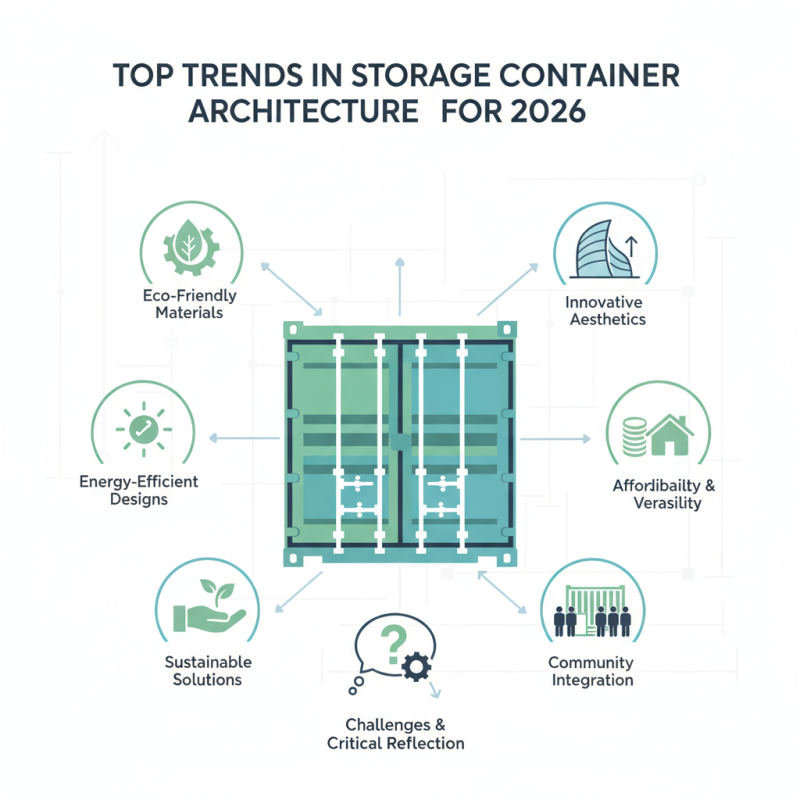
As we look ahead to 2026, it’s crucial to identify the top trends shaping storage container buildings. These trends reflect both modern needs and creative approaches. Eco-friendly materials and energy-efficient designs are just the beginning. Designers are experimenting with aesthetics, creating unique and functional spaces.
However, challenges remain. Not all ideas and designs are practical. Some may overlook community expectations or environmental impact. Understanding these trends involves critical reflection. It’s an opportunity for improvement in the storage container building industry.
Emerging Materials and Technologies in Container Building Design
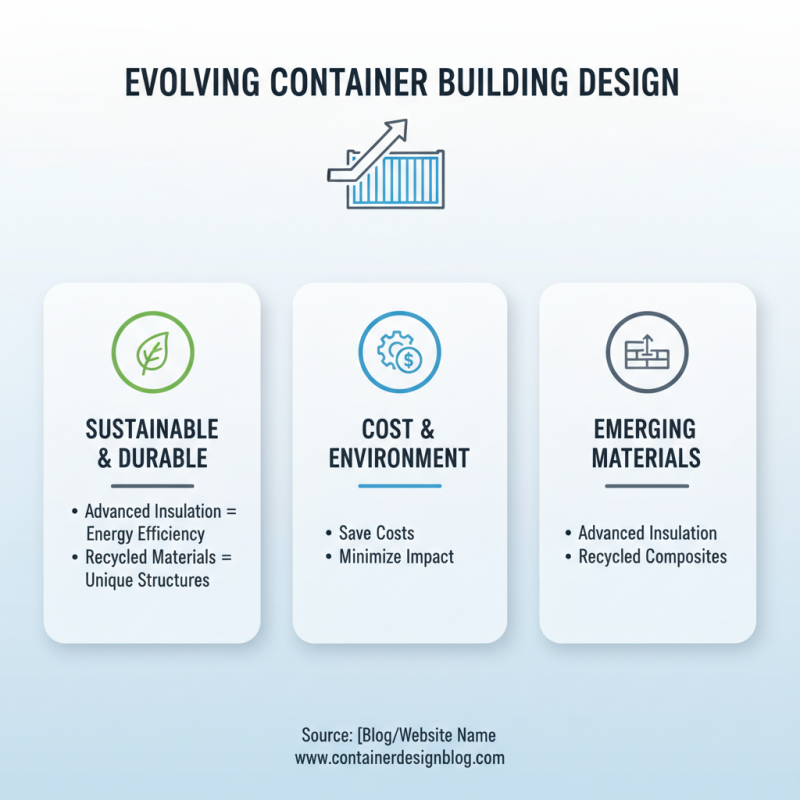
The landscape of container building design is evolving rapidly. Emerging materials are paving the way for more sustainable and durable structures. For instance, using advanced insulation materials can enhance energy efficiency. This not only saves costs but also minimizes the environmental impact. Some builders are exploring recycled materials, adding a unique touch to their projects.
Innovative technologies also play a crucial role. 3D printing, for example, is making its way into construction. It allows for quick and precise modifications. This flexibility can meet specific project needs. However, the reliance on new tech raises questions about long-term durability and maintenance. Balancing innovation with practicality can be challenging.
Smart building technologies are another exciting development. IoT integration can optimize energy usage. Occupants can control lighting and heating remotely, improving comfort and efficiency. Yet, this reliance on technology can be an issue. Not all projects have reliable internet access. Designers must consider accessibility when implementing these solutions. The future of container buildings is bright, but it requires careful thought.
Sustainable Practices and Eco-Friendly Innovations in Storage Containers
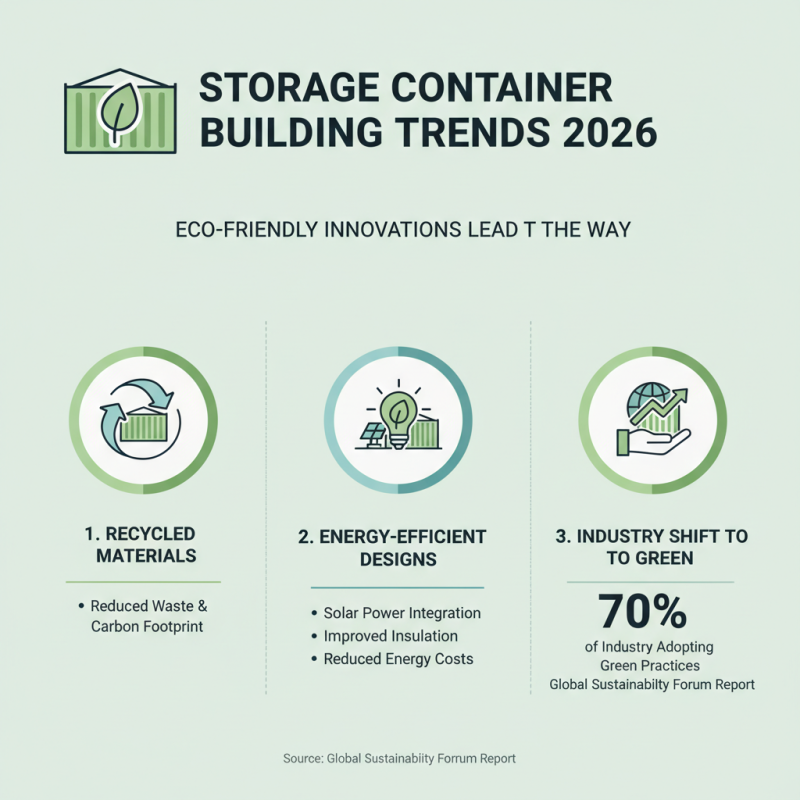
As we look toward 2026, the trends in storage container buildings are increasingly leaning towards sustainability. Eco-friendly innovations are reshaping how we think about these structures. According to a report by the Global Sustainability Forum, nearly 70% of the industry is moving toward green practices. This includes using recycled materials and energy-efficient designs.
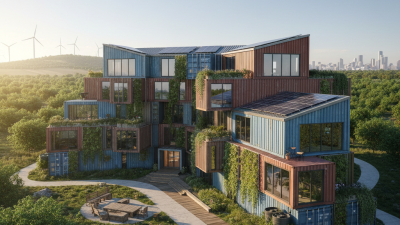
One prominent trend is the incorporation of solar panels on container buildings. This innovative addition significantly reduces the reliance on traditional energy sources. Moreover, using containers made from recycled steel cuts down on carbon emissions by approximately 35%. These changes make a substantial difference in reducing overall environmental impact.
Tip: When planning your project, consider sourcing containers locally. This reduces transportation emissions. Additionally, opting for modular designs allows for easier remodeling, minimizing waste over time. Not everything will go perfectly. Challenges can arise, like structural limitations with certain container types. Be prepared to adapt and rethink your approach as needed. Embracing eco-friendly practices can lead to unexpected benefits.
Modular Construction Trends: Flexibility and Efficiency in Design
Modular construction is gaining traction in various industries. It emphasizes flexibility in design and efficiency in building processes. The use of storage container buildings aligns with these trends remarkably well. According to a recent report, modular construction can reduce project timelines by up to 30%. This shift allows projects to adapt quickly to changing needs.
Flexibility is a crucial advantage. Storage containers come in various sizes and configurations. This adaptability makes it easier to create functional spaces. Researchers estimate that the modular construction market will reach $157 billion by 2025. This growth reflects a rising demand for versatile construction solutions. However, challenges remain. Ensuring quality control and building code compliance can be complex.
Efficiency in design is more than just speed. It involves smart layout choices and resource management. Reusing shipping containers promotes sustainability but may not suit every design vision. In some cases, the limitations of container sizes can hinder creativity. Serious thought is needed to balance aesthetics and functionality. Innovative designs will continue to push boundaries in this evolving field.
Designing for Aesthetics: Creative Uses of Storage Containers
The use of storage containers in architecture has gained momentum. They offer both functionality and creativity. Designers are discovering innovative ways to transform these containers into aesthetic structures. Recent reports highlight a 25% increase in projects utilizing container architecture compared to previous years. This trend reflects a growing desire for sustainable and unique designs.
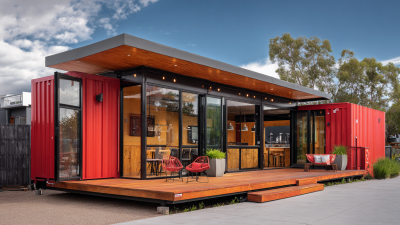
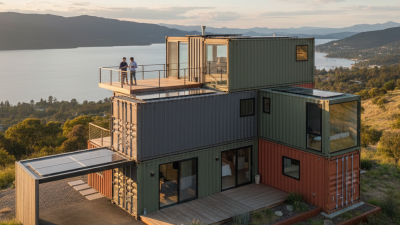
Creative uses of storage containers include cafes, art studios, and even homes. The industrial look appeals to many. Artists and architects often repurpose containers, adding windows, paint, and landscaping. However, these modifications require careful planning. Not every design translates well into aesthetic appeal. Misjudged placements can result in awkward spaces.
Furthermore, the environmental aspect cannot be ignored. Transforming containers reduces waste and promotes sustainability. Yet, challenges arise when balancing aesthetics with structural integrity. As this trend continues, industry professionals must reflect on design choices. They should strive for innovative solutions while addressing practical concerns.
Regulatory Considerations and Best Practices for Container Projects
When planning a storage container project, regulatory considerations are crucial. Many areas have specific zoning laws that govern container use. For instance, a report by the Container Housing Institute notes that over 60% of local jurisdictions impose strict building codes. These regulations can affect design and placement. Sometimes, permits take longer than expected. Understanding these local rules upfront can save time and costs.
Moreover, best practices in container projects emphasize safety and durability. Containers must be inspected for structural integrity. A study from the Building Research Association shows that 70% of project delays stem from compliance issues. It’s essential to ensure that containers undergo necessary reinforcements. Not all containers are suitable for every project. Considerations like insulation and ventilation are important.
Lastly, community engagement plays a significant role. Feedback from local stakeholders can lead to a smoother approval process. For example, projects involving public spaces often receive higher scrutiny. Ignoring community input can result in project halts. Balancing compliance, safety, and community needs is key to project success.