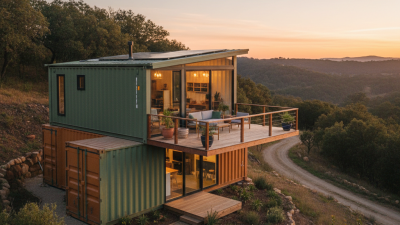
2026 Top Trends in Shipping Container Living Space Innovation?
The rising interest in "shipping container living space" reflects a broader movement towards sustainable housing. According to a recent report by GlobalContainerReview, the modular housing market is expected to grow by 25% over the next five years. Shipping containers offer an innovative solution to urban housing shortages.
These structures are not only affordable but also versatile. A typical shipping container can be transformed into a stylish home, studio, or office in a matter of weeks. However, challenges remain. Insulation, ventilation, and zoning regulations can complicate the design process. Some developers struggle to balance aesthetics with functionality.
With innovative designs emerging, container living is becoming more appealing. Features like solar panels, green roofs, and smart home technology enhance sustainability. Yet, questions about long-term durability and resale value linger. As we approach 2026, the trends in shipping container living space innovation will need to address these concerns while expanding their reach to a broader audience.
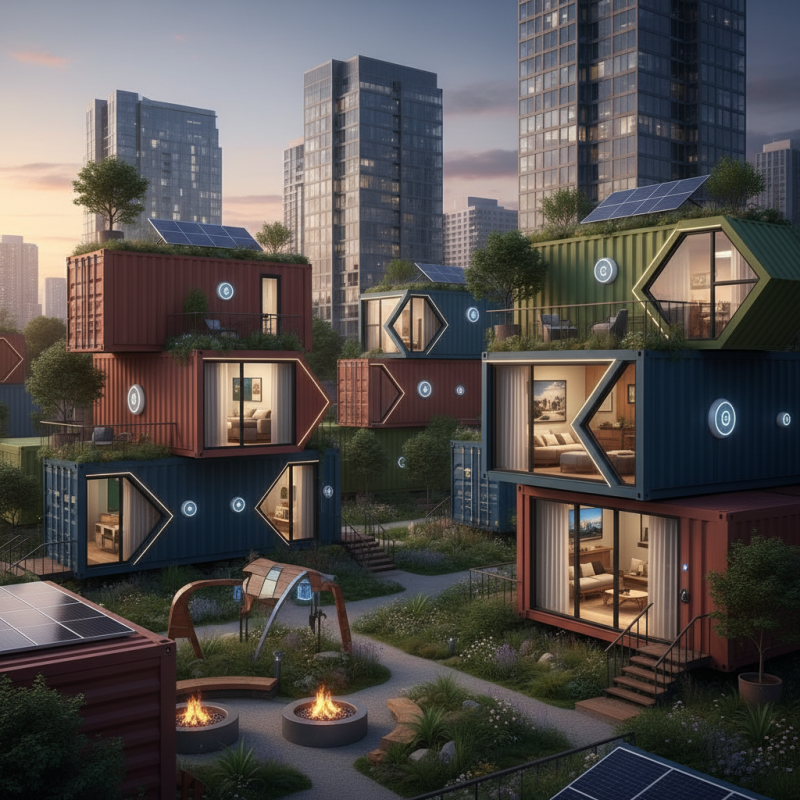
Emerging Technologies Revolutionizing Shipping Container Homes
Shipping container homes are gaining popularity for their efficiency and affordability. Emerging technologies are significantly changing how these spaces are designed and built. One promising innovation is the use of 3D printing. This technology allows for rapid construction and customization. Imagine walls and interiors forming in hours, not weeks. It streamlines the process and reduces waste, crucial for sustainability.
Smart home integration is another exciting trend. Container homes can now feature automated climate control and security systems. Voice-activated assistants will manage daily tasks. This level of technology makes homes more functional, but it also raises concerns about privacy. Who is monitoring these systems? Balancing convenience with security is vital for future homeowners.
Sustainable materials play a significant role as well. New insulation techniques improve energy efficiency. Containers can now be retrofitted with solar panels easily. However, these advancements require upfront investment. Some may not have the financial means to access these technologies. The future of shipping container living is bright but not without challenges.
2026 Top Trends in Shipping Container Living Space Innovation
| Trend |
Description |
Emerging Technology |
Impact |
| Modular Design |
Flexible designs that allow customization and adaptability to different lifestyles. |
3D Printing |
Reduces construction waste and costs, speeding up the building process. |
| Sustainable Materials |
Utilization of eco-friendly materials to reduce the carbon footprint. |
Recycled Steel and Green Insulation |
Promotes environmental sustainability and energy efficiency. |
| Smart Home Technologies |
Integration of IoT devices for enhanced living convenience. |
Home Automation Systems |
Improves energy management and security. |
| Vertical Gardening |
Use of vertical spaces for growing plants, enhancing food security. |
Hydroponics Systems |
Encourages self-sustainability and community gardens. |
| Energy Efficiency |
Incorporating energy-efficient solutions to decrease utility costs. |
Solar Panels and Energy Storage Systems |
Reduces reliance on grid electricity and lowers bills. |
Sustainable Practices in Container Living: Eco-Friendly Innovations
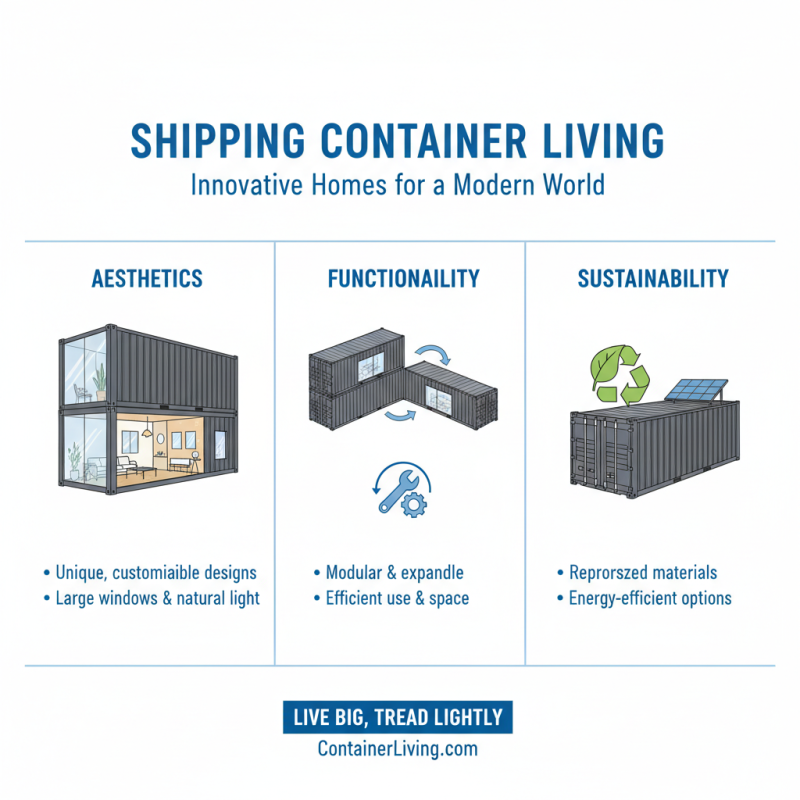
In recent years, shipping container living has gained immense popularity. This trend embraces sustainable practices to create eco-friendly spaces. One significant innovation is the use of recycled materials. Many homes now include reclaimed wood and repurposed windows. This approach reduces waste and gives a unique character to each living space.
Solar panels have become commonplace in container homes. They provide renewable energy and lower utility costs. However, some homeowners still struggle with installation issues. Finding the right location for panels can be challenging. Rainwater harvesting systems are also being integrated to reduce water waste. This method not only conserves resources but also promotes self-sufficiency.
While these practices are admirable, there are still obstacles to overcome. Many container homes lack adequate insulation. This can lead to discomfort in extreme temperatures. Furthermore, not every community is welcoming towards container living. Local zoning laws often hinder innovative ideas. The growth of sustainable container living requires ongoing reflection and adaptation to these barriers.
Design Trends Enhancing Aesthetics in Shipping Container Spaces
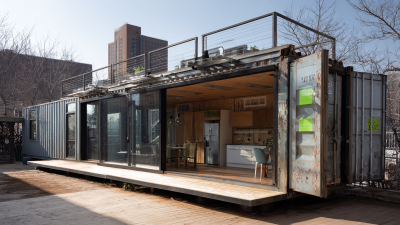
Shipping container living spaces are gaining popularity. As innovation grows, so do design trends. These trends focus on aesthetics, functionality, and sustainability. People crave unique designs that reflect their individuality. Modern shipping container homes now incorporate large windows to invite natural light. This simple change makes a space feel larger and more welcoming.
Color palettes are evolving too. Neutral tones are often complemented by pops of brighter colors. This creates visual interest without overwhelming the space. Textured materials are being used for both decoration and practicality. For instance, reclaimed wood brings warmth and character, while industrial metals add a sleek touch.
However, not every design choice works. Some spaces feel cluttered or disjointed. Achieving the right balance is crucial. Inconsistent styles can confuse the eye. The challenge lies in harmonizing various elements. Reflecting on these design choices can lead to a more cohesive vision for shipping container living.
Maximizing Space Efficiency: Modular and Flexible Container Designs
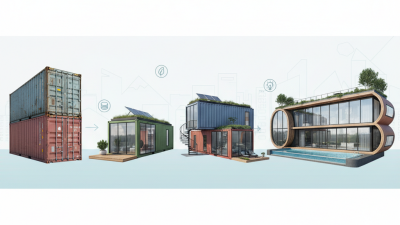
In recent years, container living spaces have gained popularity. The trend towards modular and flexible designs is transforming our approach to housing. These innovative spaces maximize efficiency in both design and function. Containers can be arranged in various configurations, allowing for unique layouts tailored to individual needs.
Creative solutions like foldable furniture and stackable elements play a crucial role. They provide functionality without compromising space. However, some designs may still feel cramped. The challenge lies in creating an inviting atmosphere in limited areas. Personal touches can help, yet they must be chosen wisely to avoid clutter.
Sustainability is another key consideration. Containers are inherently eco-friendly but can often seem utilitarian. Adding natural light and greenery can soften rigid designs. However, this might require additional investment and planning. Reflecting on these aspects can lead to more thoughtful container living experiences. Embracing imperfections can also inspire deeper connections with our living spaces.
2026 Top Trends in Shipping Container Living Space Innovation
Community Living Solutions: Collaborations in Container Housing Projects
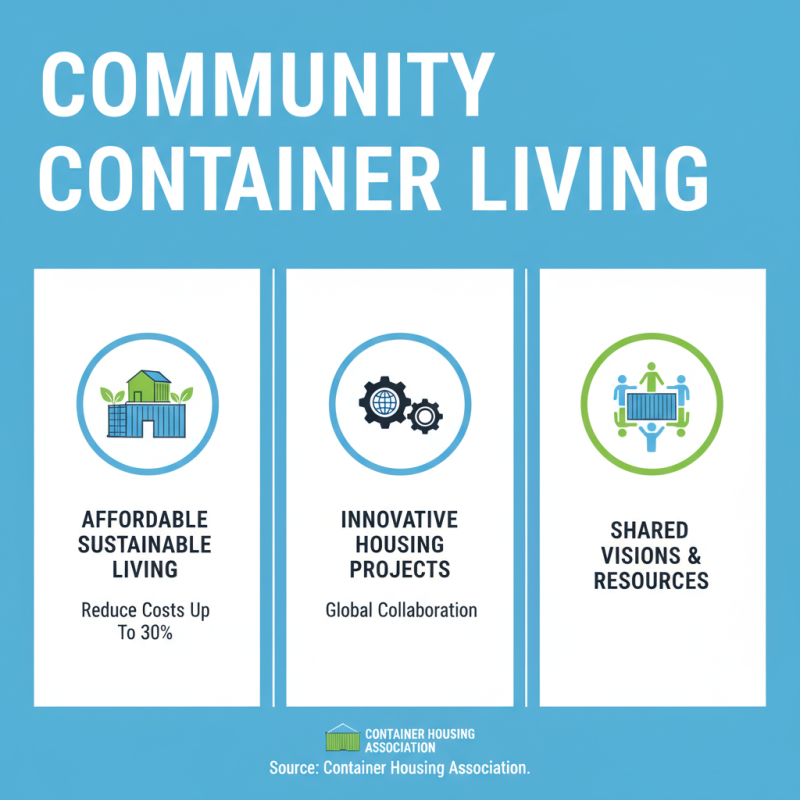
The trend of community living solutions using shipping containers is rapidly gaining traction. According to the Container Housing Association, container homes can reduce construction costs by up to 30%. This affordability allows more people access to sustainable living spaces. Communities across the globe are collaborating to create innovative housing projects. These partnerships often combine resources, expertise, and shared visions.
Local governments are increasingly supporting these initiatives. In urban areas, container housing can be a fast-track solution to housing shortages. Reports from the International Housing Coalition indicate that modular housing can be completed in a fraction of the time compared to traditional builds. However, not all projects succeed. Issues such as zoning regulations and outdated infrastructure can hinder progress.
Community involvement is often crucial in overcoming these hurdles. Residents can help design shared spaces that enhance the neighborhood. While container living is innovative, it is still a work in progress. Many projects lack adequate community amenities, which complicates long-term sustainability. Conversations about the future of container living must include these significant aspects.