Best Container Sizes for Homes in 2026 What to Choose?
Choosing the right container sizes for homes is becoming increasingly vital in 2026. As more people embrace tiny living, the demand for varied container sizes grows. Homeowners want to optimize their space while maintaining comfort. Each container size has unique benefits and challenges.
Smaller containers can offer efficiency. They lead to lower costs and reduced maintenance. However, they can feel cramped without smart design. Larger containers allow for more creativity but can raise expenses. Homeowners often grapple with balancing size and functionality. It’s easy to get lost in options and regrets.
Selecting the ideal container sizes for homes requires careful thought. Each choice influences daily life significantly. The perfect size can enhance happiness, but the wrong one can create frustration. Thoughtful planning is crucial in this evolving housing market.
Best Container Sizes for Homes in 2026: Understanding Market Trends
As we approach 2026, the demand for sustainable housing continues to rise. This shift influences the container home market significantly. Many are opting for smaller, customized sizes that better fit their lifestyles. A 20-foot container can serve well for singles or couples. It's compact yet functional, ideal for urban settings.
Larger containers, such as 40-foot models, suit families or remote working professionals. They provide ample space for living and working. However, bigger isn’t always better. Some find maintenance challenging in larger homes. The choice of size often reflects not just need, but also personal values.
Current market trends show a blend of eco-friendliness and modern design. Minimalism is gaining ground. Buyers want smart layouts optimizing every inch of their space. Simultaneously, they grapple with the implications of downsizing. These considerations play a vital role in determining the best container sizes for homes in 2026.
Evaluating Container Size Options: 20ft vs 40ft Containers for House Design
When considering container sizes for home design in 2026, the choice between 20ft and 40ft containers is crucial. A 20ft container offers a compact space, perfect for small families or minimalistic living. It’s easier to manage and can fit into tighter locations. You'll have less room, but with smart design, it can still be cozy and functional.
On the other hand, a 40ft container provides a larger canvas. This size allows for more creativity in layout and design. You can create separate rooms, like a bedroom and living area. However, you might face challenges with insulation and air circulation. There can be more wasted space if not planned correctly. Each option has its pros and cons, and it's essential to reflect on your needs.
Ultimately, the decision hinges on lifestyle and preferences. What works well for one family may not suit another. A 20ft container might feel cramped for some, while others appreciate its simplicity. The 40ft container could be overkill for minimalists. Assessing personal needs and space requirements is key in making the right choice for your future home.
Container Size Comparison for Home Design in 2026
This chart compares the average cost and size of 20ft and 40ft containers for home design in 2026. The 40ft container is generally larger and more expensive than the 20ft container, offering more living space but at a higher cost.
Key Factors Influencing Container Selection for Residential Use in 2026
When selecting the best container sizes for homes in 2026, a few key factors come into play. The purpose of the container greatly influences your choice. Are you looking for extra storage, a cozy office, or even a tiny home? Each purpose requires different dimensions and layouts. Additionally, lifestyle preferences impact size. A minimalist approach may favor smaller containers. In contrast, families or individuals with diverse interests might need larger spaces.
The location of your container is crucial. Urban settings may necessitate compact sizes for easy placement. In contrast, rural areas might welcome larger containers. Also, local regulations should not be overlooked. They can dictate permitted sizes, which can be quite frustrating. Exploring options that suit both need and legality is essential.
Sustainability is another factor worth considering. Many prefer containers that use eco-friendly materials. It's also important to reflect on heating and cooling needs. Insulation varies between sizes, impacting comfort and efficiency. Ultimately, finding the right fit takes time and thought. Balancing functionality and aesthetics will yield the best results. Taking a moment to reflect on personal choices can lead to a more satisfying decision.
Cost Analysis of Container Homes: Size Impact on Budget and ROI
When considering container homes, size plays a crucial role in cost and ROI. A smaller container can reduce initial expenses. However, larger containers may offer more space and amenities, potentially attracting greater rental income. The choice ultimately impacts your budget.
Let’s break it down. A standard 20-foot container is often more affordable. Its cost provides a manageable budget for first-time buyers. Meanwhile, a 40-foot container demands a higher investment but offers versatility. You can divide it into separate living areas. This flexibility may appeal to families or groups, thus increasing rental potential.
**Tips:** Focus on layout efficiency when choosing your size. Think about how you will utilize the space. Consider multi-functional furniture, maximizing both comfort and functionality. Remember, each choice affects your overall investment. Evaluate your long-term plans carefully. It's all about finding that balance between cost and potential returns.
Sustainability in Container Home Sizes: A Look at Eco-Friendly Practices
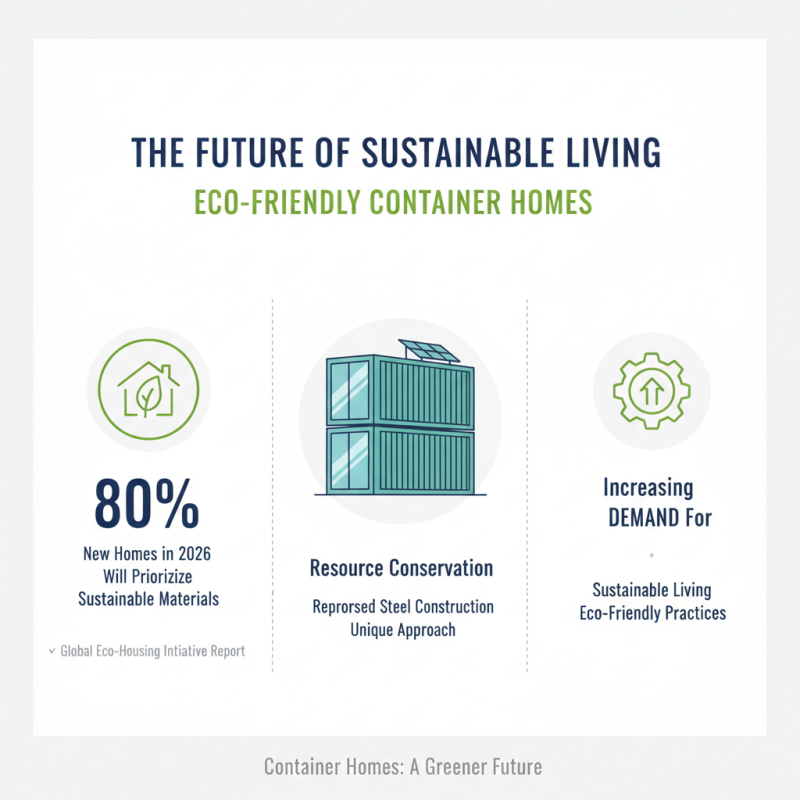
As the demand for sustainable living increases, eco-friendly practices in container home sizes gain attention. According to a recent report by the Global Eco-Housing Initiative, approximately 80% of new homes in 2026 will prioritize sustainable materials. Container homes, often made from repurposed steel, offer a unique approach to resource conservation.
Optimal container sizes vary, but standard dimensions like 20-foot and 40-foot containers are popular. A 20-foot container typically provides around 160 square feet of living space. This size encourages efficient design and minimizes waste. However, it can feel cramped for larger families. On the other hand, a 40-foot container offers around 320 square feet, allowing for more flexibility. But, it raises concerns about materials used in insulation or fittings.
It's essential to reflect on the overall impact. The construction industry accounts for about 39% of global CO2 emissions, as stated by the World Green Building Council. Choosing the wrong size can lead to inefficiency and excess energy consumption. Adopting eco-friendly practices is crucial, but it requires careful consideration of how each container is designed and utilized. Balancing space and sustainability remains a challenge for new homeowners.