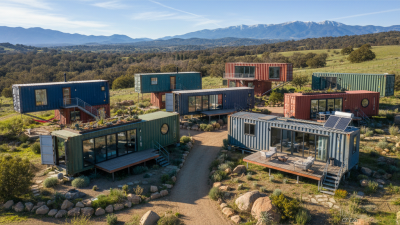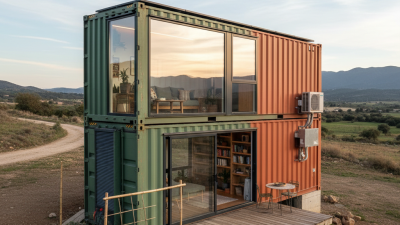


The trend of building high cube shipping container houses is gaining momentum. Reports indicate that the global market for container homes is expected to grow by over 5% annually. This rise is fueled by the demand for affordable, sustainable housing solutions. High cube containers, measuring 9.5 feet in height, offer more interior space than standard models. This opens possibilities for creative designs.
Building a high cube shipping container house effortlessly involves smart planning and execution. Many DIY enthusiasts are drawn to the idea, yet they often underestimate the complexity of local building codes and regulations. Attention to detail is crucial. Above all, it's important to reflect on the environmental impact of construction materials and methods.
Budgeting can also become a challenge. Insulation, plumbing, and electrical work require careful consideration. While the initial appeal of container homes is clear, homeowners must confront the potential pitfalls. A masterpiece can emerge from a high cube shipping container house, but it demands thorough preparation and informed choices.
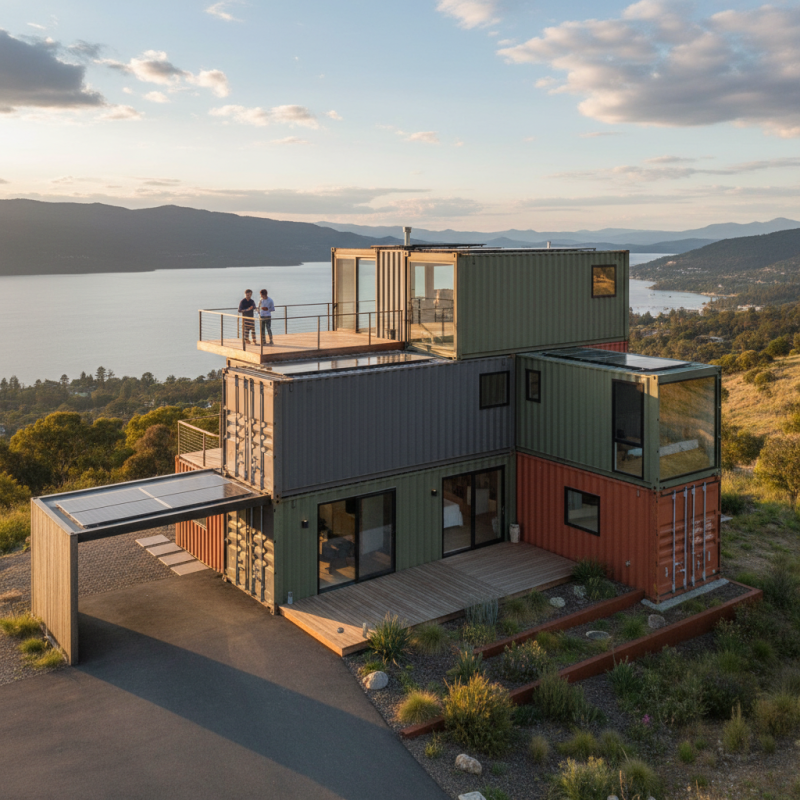
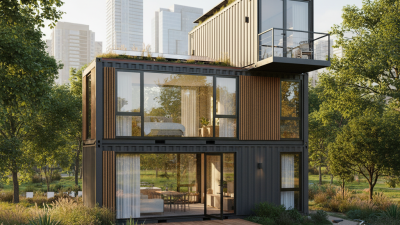
High cube shipping containers are a popular choice for modern housing. They are taller than standard containers, offering more vertical space. This extra height can be a game-changer for interior layout, allowing for lofts or high ceilings. The flexibility in design can transform a simple box into a stylish home.
Building with high cube containers can also be cost-effective. They are often less expensive than traditional building materials. Yet, issues like insulation must be handled carefully. Improper insulation can lead to serious temperature fluctuations. It's essential to plan both cooling and heating systems thoroughly.
Additionally, using high cube containers can promote sustainability. They repurpose materials that might otherwise sit unused. However, buyers should consider potential challenges in transportation and foundation placement. It requires careful planning to avoid setbacks. Every project might face unexpected issues, so adaptability is key.
| Aspect | Details |
|---|---|
| Container Size | 40 ft x 8 ft x 9.5 ft |
| Internal Volume | 76 cubic meters |
| Weight | Approximately 3,700 kg (8,200 lbs) |
| Insulation Options | Spray foam, rigid foam, or fiberglass |
| Typical Costs | $10,000 - $30,000 (for conversion) |
| Environmental Benefits | Recycling of old containers, reduced carbon footprint |
| Design Flexibility | Can be combined with other containers, customized layouts |
| Building Regulations | Check local zoning and building codes |
| Popular Locations | Urban areas, coastal regions, and eco-friendly communities |
Choosing the right location for your shipping container house is crucial. Consider factors like climate and accessibility. You want a flat, elevated area to avoid flooding.
Proximity to resources matters. Are there stores nearby? What about schools or hospitals? These can impact your living experience.
Think about the local zoning laws. Some areas have strict rules regarding container homes. Contact local authorities to confirm regulations. It’s vital to ensure compliance.
Research the neighborhood too. A friendly community can significantly enhance your quality of life.
Don’t overlook potential environmental challenges. Is the ground stable? Will there be ample sunlight for solar panels? Reflect on these elements during your location search. Balancing your ideal site with practical considerations can be tricky.
Aim for a blend of comfort and functionality.
Designing your container home layout is a vital step in building a high cube shipping container house. Understanding the space you have can help you maximize functionality. High cube containers offer an extra foot of height, providing more vertical space. This is crucial for creating an open, airy feel. According to a report from the Container Housing Institute, over 70% of container homeowners valued the high ceilings for natural light and ventilation.
When planning your layout, consider the flow of space. Aim for open areas that connect key zones. This creates a seamless experience between the kitchen, dining, and living areas. Think about the placement of windows for natural light. Strategic window positioning can change how light enters throughout the day. The Institute mentions that homes with properly placed windows can reduce energy costs by 30%.
Flexibility is also essential. High cube containers can be combined or stacked. This allows for innovative designs but requires thoughtful planning. Reflection on layout adjustments can lead to better outcomes. Homeowners often find that initial ideas need tweaking to fit their lifestyle. For instance, a common approach is to designate one container for living and another for sleeping. This can enhance privacy while ensuring comfort.
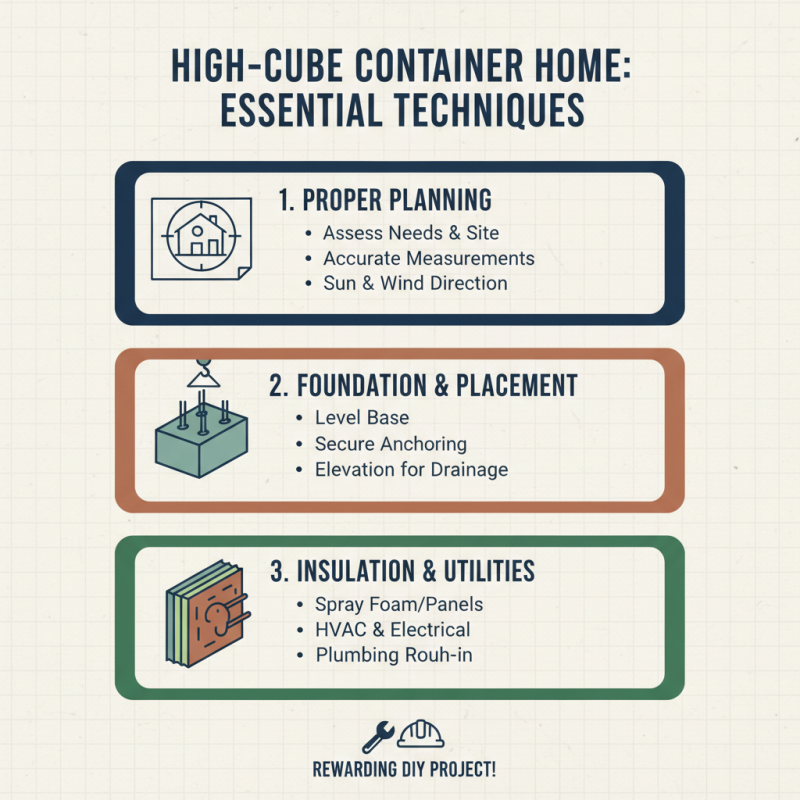
Building a high cube shipping container house can be a rewarding project. However, some essential construction techniques will make the process smoother. Start with proper planning. Assess your needs and the site’s layout. Measuring accurately ensures the house design fits well in its environment. Consider factors like sunlight and wind direction. These elements impact insulation and energy efficiency.
Structure is key. You may need to reinforce the container's walls. Adding extra support can prevent potential issues later. Use quality insulation materials to retain heat or coolness. Remember the importance of ventilation. Proper airflow not only keeps the house comfortable but also prevents mold.
Construction often comes with unforeseen challenges. Encountering rust or structural weaknesses is common. It’s crucial to adapt and rethink your approach when problems arise. Be prepared for delays too. Unexpected weather can hinder progress. Learning from these obstacles can enhance your building experience. Each step contributes to creating a unique living space.
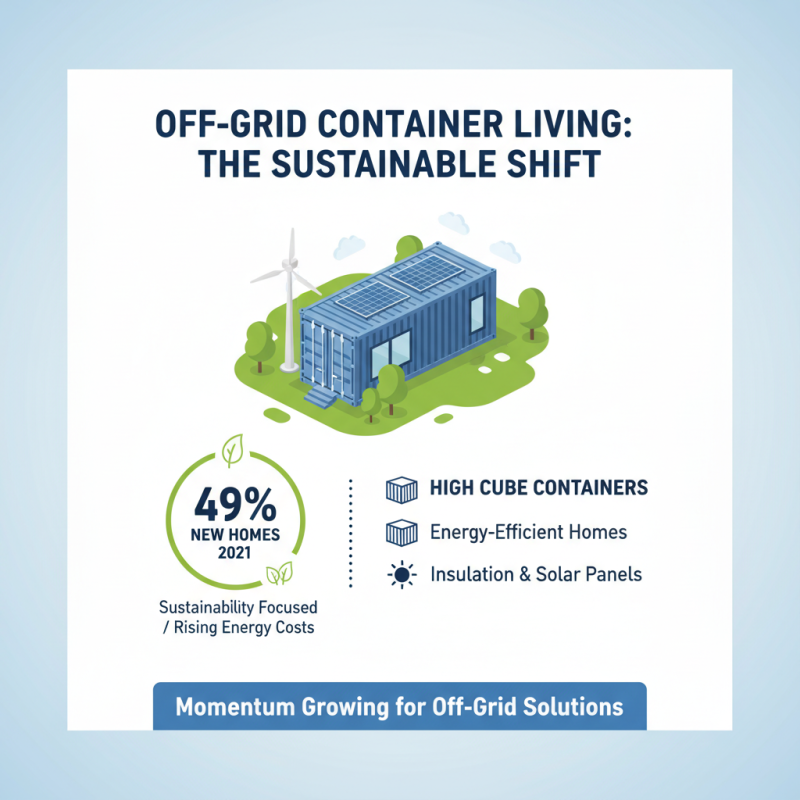
The shift toward off-grid solutions in container living is gaining momentum. In 2021, 49% of new homes built were designed with sustainability in mind, driven by rising energy costs and climate concerns. High cube shipping containers provide unique benefits for this movement. They can be converted into energy-efficient homes with proper insulation and solar panels.
Building a container house allows for sustainability choices. Rainwater harvesting systems can reduce water consumption. A study revealed that homes utilizing these systems can save up to 50% on water bills annually. In addition, using composting toilets reduces the need for traditional plumbing. This creates fewer environmental impacts compared to conventional homes.
Yet, challenges remain. Many people underestimate insulation needs, leading to uncomfortable living environments. It is essential to choose materials carefully. Inadequate ventilation can cause indoor air quality issues. As the popularity of container houses grows, so must our awareness of these potential pitfalls. Balancing eco-friendliness with comfort presents an ongoing challenge.