How to Build Shipping Container Flats for Affordable Living?
Building shipping container flats has gained popularity as an innovative housing solution. These versatile structures offer a sustainable way to create affordable living spaces. With rising housing costs, more people are exploring this option.
Utilizing shipping containers allows for unique designs. They can be easily modified to fit various needs. This flexibility is appealing, but there are challenges. Zoning laws and building codes can complicate the process. Not every location welcomes these types of homes.
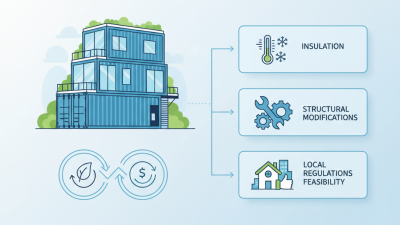
When planning your shipping container flats, consider essential aspects. Think about insulation, plumbing, and layout. These factors play a crucial role in comfort and livability. It's essential to research before beginning. Set realistic expectations and be open to learning from setbacks. The journey of building shipping container flats can be rewarding, but it requires careful thought and effort.
Choosing the Right Shipping Containers for Your Flat Design
Selecting the right shipping containers is pivotal for your flat design. Start by considering the container dimensions. Standard containers come in 20-foot and 40-foot lengths. Each option has different spatial efficiencies. Larger containers provide more room but can be challenging to transport.
**Tip**: Look for containers that are structurally sound. Inspect for rust or damage. Small issues can become big problems. Neglecting this may increase your renovation costs.
Consider your layout when choosing containers. You might need multiple containers for more space. A creative arrangement can lead to unique designs. However, be mindful of how you connect them. Poor connections may compromise the structure.
**Tip**: Always think about insulation. Containers are metal, so they can get hot or cold quickly. Proper insulation helps maintain a comfortable climate. This aspect is often overlooked, but it's crucial for daily living.
Planning the Layout and Design of Your Container Home
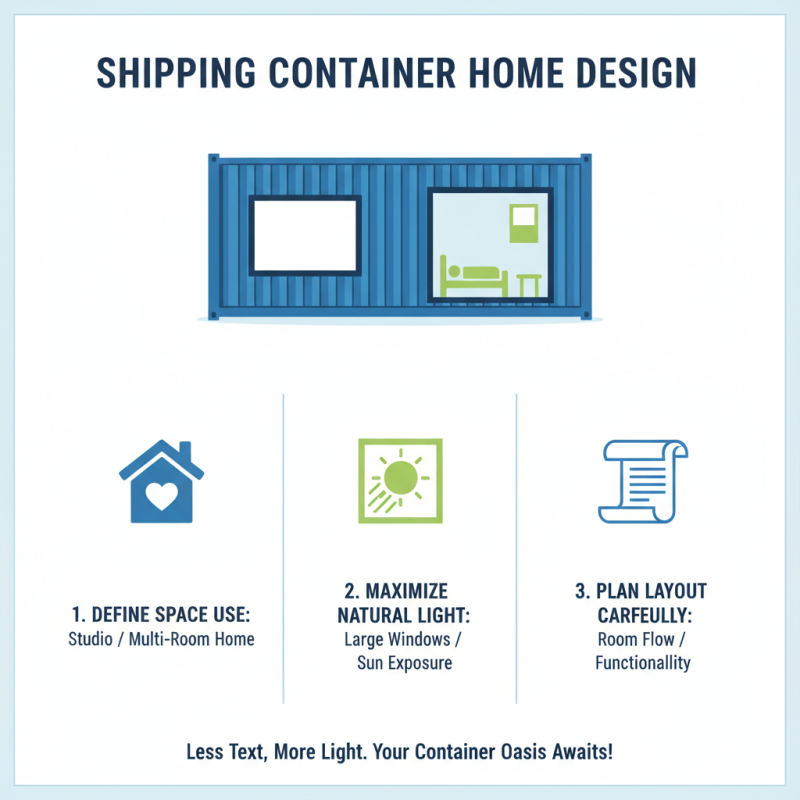
Designing a shipping container flat requires careful planning. Start by envisioning how you want to use the space. It could be a cozy studio or a multi-room home. Keep in mind natural light. Large windows can enhance the feel of openness. Consider where the sun hits at different times of the day. This influences your layout.
An efficient layout will optimize space. Think about where the kitchen, bathroom, and living areas will be. Open plans are popular but can be challenging. You must ensure privacy where it’s needed. Also, think about storage solutions. Containers offer limited space, so innovative storage is key. Use vertical storage or foldable furniture.
However, consider potential challenges. Container walls can restrict creativity. You might find it hard to create distinct areas. Insulation is another aspect to ponder. The metal can get hot or cold easily. You’ll need to reflect on these details carefully. It’s a balancing act between aesthetic and functionality. Each choice shapes your living experience.
Essential Permits and Regulations for Building with Containers
Building shipping container flats requires careful attention to permits and regulations. Many areas have specific zoning laws that dictate where such structures can be built. For instance, the International Code Council (ICC) states that homes must meet local building codes. Failure to comply can lead to penalties.
In some regions, a building permit is mandatory for container homes. This ensures the safety and habitability of the structure. According to a 2022 survey, about 70% of cities require inspections during construction. These evaluations are crucial. They confirm that the installation adheres to electrical, plumbing, and structural standards. Without these checks, you risk significant headaches down the line.
Environmental regulations also play a role. Some localities demand an environmental impact assessment (EIA) for container projects. The EIA process can delay construction significantly. Reports indicate that such assessments take, on average, an extra 6 months. This shouldn't be overlooked. Building with containers is unique but comes with challenges that need addressing. Skipping this step may lead to future issues.
Insulation and Energy Efficiency Solutions for Container Flats
Insulating shipping container flats is essential for energy efficiency. The metal walls can heat up quickly under the sun. One effective solution is using spray foam insulation. It fills gaps and creates a tight seal. Another option is rigid foam boards. They provide good thermal resistance but require careful installation.
Energy-efficient windows are crucial too. Standard windows can lose heat during winter. Consider double-glazed windows instead. They help maintain a stable indoor temperature. Adding overhangs or awnings can also minimize heat gain in summer. Using reflective materials can prevent excess heat inside the containers.
Consider renewable energy solutions, like solar panels. They can power your container flat and reduce electricity bills. However, initial costs may be high. It’s wise to assess your energy needs and budget before installation. Retrofitting and upgrading existing features can also enhance energy performance, but may require time and effort.
Energy Efficiency Solutions for Shipping Container Flats
Interior Finishing and Furnishing Ideas for Comfortable Living
Creating a comfortable living space in shipping container flats requires thoughtful interior finishing and furnishing. Research shows that cost-effective designs focus on maximizing space and maintaining functionality. According to the Container Housing Market Report, the industry has seen a growth rate of 6.8% annually. This trend highlights the rising demand for innovative solutions in affordable housing.
To achieve a cozy atmosphere, consider using multi-functional furniture. A fold-out couch can work as a bed by night and seating by day. Use bright, light colors on walls to create an illusion of larger spaces. Incorporating plants can also soften the angles of metal containers. Natural materials like wood and textiles add warmth but may require ongoing maintenance.
Lighting is another crucial aspect. Emphasize natural light with strategically placed windows. However, ensure to have adequate artificial lighting to combat darker corners. Be mindful that container living may feel cramped. Fixed storage solutions can help, yet they might limit flexibility. Therefore, balancing practicality with comfort remains a continuous journey in designing these unique homes.
How to Build Shipping Container Flats for Affordable Living? - Interior Finishing and Furnishing Ideas for Comfortable Living
| Dimension |
Description |
Cost Estimate (USD) |
Sustainability Features |
| Size |
20ft or 40ft containers for living space |
$2,500 - $7,000 |
Recycled materials used |
| Insulation |
Spray foam or fiberglass insulation |
$1,000 - $2,500 |
Energy-efficient performance |
| Windows |
Double-glazed or triple-glazed windows |
$800 - $2,000 |
Natural light and ventilation |
| Flooring |
Wooden, laminate, or recycled composite |
$1,200 - $3,000 |
Eco-friendly options available |
| Bathroom |
Compact bathroom setup with water-saving fixtures |
$3,000 - $5,000 |
Low-flow fittings and composting toilets |
| Kitchen |
Compact kitchen with energy-efficient appliances |
$2,500 - $4,500 |
Sustainable materials and appliances |
| Furniture |
Multi-functional and space-saving furniture |
$1,500 - $3,000 |
Reused or upcycled furniture options |