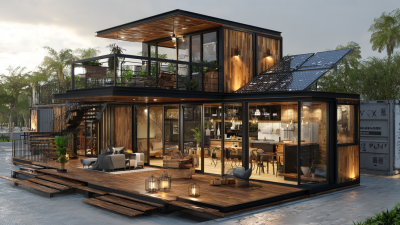
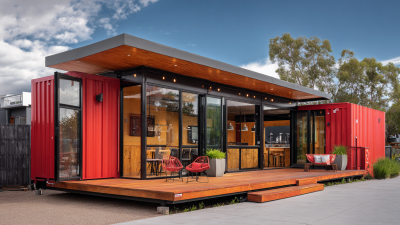
Why Cargo Container Houses Are the Future of Affordable and Sustainable Housing
As the global population continues to rise and urbanization accelerates, the demand for affordable housing solutions has never been more pressing. According to the United Nations, by 2050, nearly two-thirds of the world’s population will live in urban areas, exacerbating housing shortages and driving up costs. In this context, cargo container houses are emerging as a viable alternative, providing an innovative, sustainable, and cost-effective approach to residential construction.
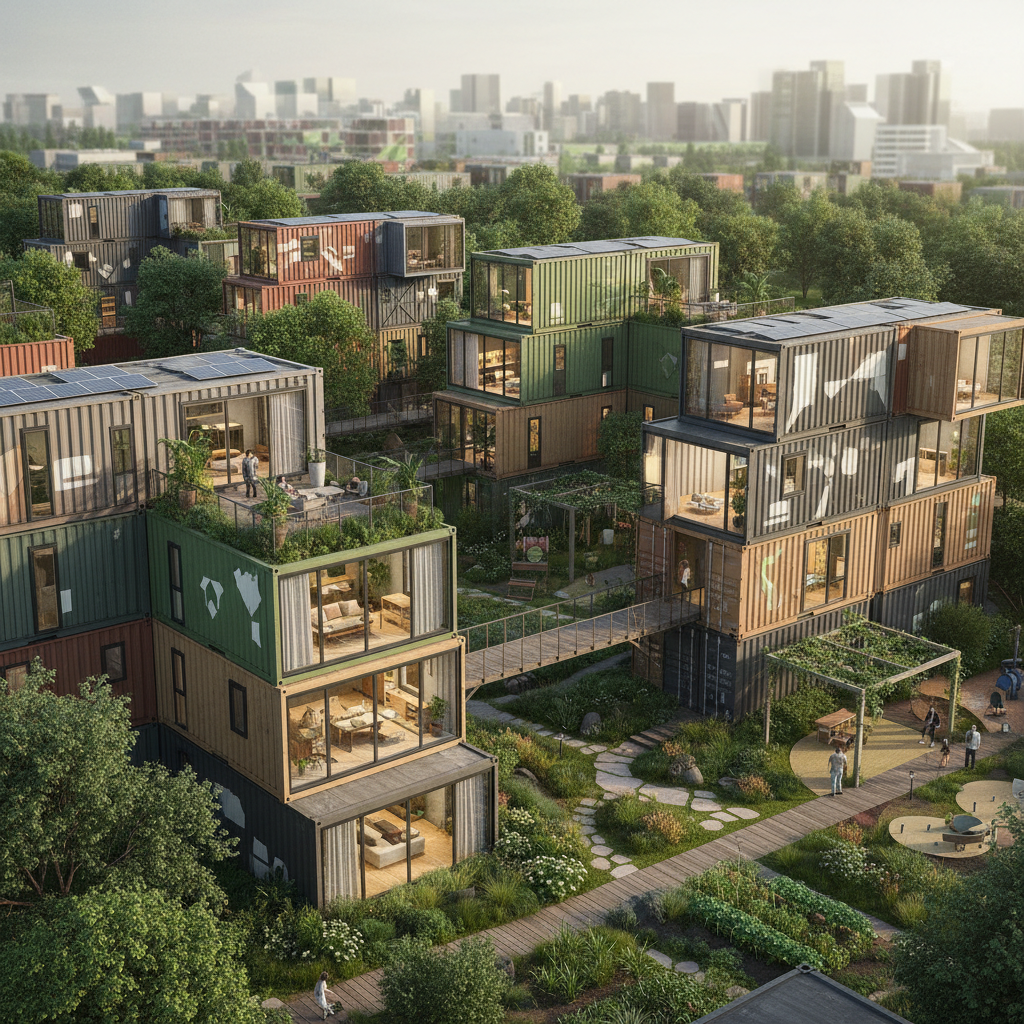
Recent industry reports indicate that the global market for modular and prefabricated homes, including cargo container houses, is expected to grow significantly, with projections estimating a compound annual growth rate (CAGR) of over 6% through the next decade. Cargo container houses not only capitalize on the growing trend of sustainable living but also address the urgent need for scalable housing solutions. Constructed from repurposed shipping containers, these homes can be designed to minimize environmental impact while offering efficient and flexible living spaces.
As we explore the top five reasons why cargo container houses represent the future of affordable and sustainable housing, we will uncover how this innovative approach can help reshape urban landscapes and provide much-needed relief to housing crises worldwide.
Innovative Design: How Cargo Container Houses Maximize Space and Functionality
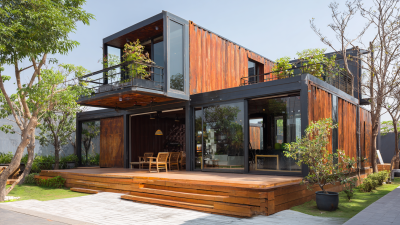
Cargo container houses have emerged as a remarkable solution for maximizing space and functionality in affordable housing. According to a report by the Global Institute for Sustainable Housing, utilizing recycled shipping containers can significantly cut construction costs by 30-50% compared to traditional brick-and-mortar homes. This innovative design not only reduces expenses but also addresses the growing demand for sustainable living spaces, as each container repurposes materials that would otherwise contribute to landfill waste.
Incorporating multifunctional spaces is essential in making the most out of limited square footage. Cargo container homes often feature open floor plans and modular configurations that allow for flexible layouts, adaptable to various lifestyles. A study from the American Institute of Architects highlights that such designs can effectively optimize the use of vertical space, with the potential to increase usable area by up to 25%. Furthermore, the durability and weather-resistance of containers make them ideal for diverse climates, proving that innovative design in cargo container houses can meet both economic and environmental needs.
Cost-Effectiveness: Exploring the Economic Advantages of Container Living
Container houses have emerged as a compelling solution for those seeking affordable housing options. One of the primary economic advantages of container living lies in the significant cost savings associated with their construction. Repurposing shipping containers can drastically reduce building expenses because the material itself is not only affordable but also durable. This allows homeowners to channel their budgets into customizations and sustainable features that enhance overall livability.
Additionally, the modular nature of cargo containers permits quick and efficient assembly, which can lead to reduced labor costs. With less time spent on construction, homeowners can occupy their new space sooner, often leading to a quicker return on investment.
**Tips**: When considering a container home, look for opportunities to source containers locally to save on transportation costs. Also, explore community grants or financing options designed for sustainable building to ease the financial burden. Lastly, prioritizing energy-efficient designs can further reduce your utility costs in the long run.
Sustainability: The Environmental Benefits of Using Recycled Shipping Containers
Recycled shipping containers are increasingly being recognized as a sustainable alternative for housing, offering significant environmental benefits. One of the most compelling advantages is the reduction of waste. With thousands of containers sitting unused in ports around the world, repurposing them not only mitigates the demand for new building materials but also diverts these containers from landfills, thus minimizing environmental degradation.
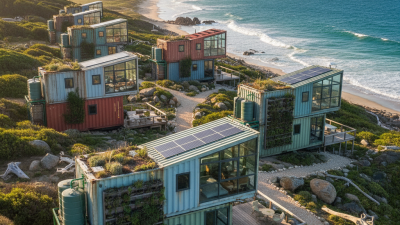
Moreover, using shipping containers for housing promotes energy efficiency. These structures can be easily insulated and modified to incorporate eco-friendly technologies, such as solar panels and rainwater harvesting systems. This adaptability allows homeowners to significantly reduce their carbon footprint while creating a comfortable living space. Additionally, the durability of steel containers ensures that these homes can withstand harsh weather conditions, further contributing to their sustainability and longevity in comparison to traditional building materials.
Environmental Benefits of Using Recycled Shipping Containers
Flexibility and Customization: Tailoring Cargo Container Homes to Unique Lifestyles
The growing trend of cargo container houses is transforming the landscape of affordable and sustainable housing, prominently due to their inherent flexibility and customization options. According to a report by Market Research Future, the global modular construction market is expected to reach approximately $157 billion by 2023, with a substantial portion attributed to innovative housing solutions like cargo container homes. This surge reflects an increasing demand for versatile living spaces that cater to diverse lifestyles and personal preferences.
One of the key advantages of cargo container homes is their adaptability. Homeowners can easily modify the layout, add additional units, or incorporate off-grid features such as solar panels and rainwater harvesting systems. A study from the International Journal of Housing Science highlights that customized designs can lead to significant reductions in carbon footprints, sometimes by as much as 80% compared to traditional housing. This level of personalization not only meets the specific needs of residents but also supports sustainable living practices, aligning with contemporary environmental priorities. As more individuals seek housing solutions that reflect their values and lifestyles, cargo container homes stand out as a viable option for the future.
Why Cargo Container Houses Are the Future of Affordable and Sustainable Housing
| Feature |
Description |
Benefits |
| Affordability |
Cargo container homes can be constructed at a fraction of the cost of traditional homes. |
Lower housing costs enable home ownership for more individuals and families. |
| Sustainability |
Recycling shipping containers reduces waste and cuts down on resource consumption. |
A positive environmental impact and promotion of greener living practices. |
| Flexibility |
Containers can be arranged in various configurations to suit different needs. |
Customizable space arrangements for unique lifestyles and needs. |
| Mobility |
Cargo containers can be moved to different locations easily. |
Ideal for those who may need to relocate frequently or prefer a transient lifestyle. |
| Speed of Construction |
Building with containers is typically faster than traditional construction methods. |
Quicker time to occupancy, addressing housing shortages more effectively. |
Community Impact: How Cargo Container Housing Can Address Urban Housing Shortages
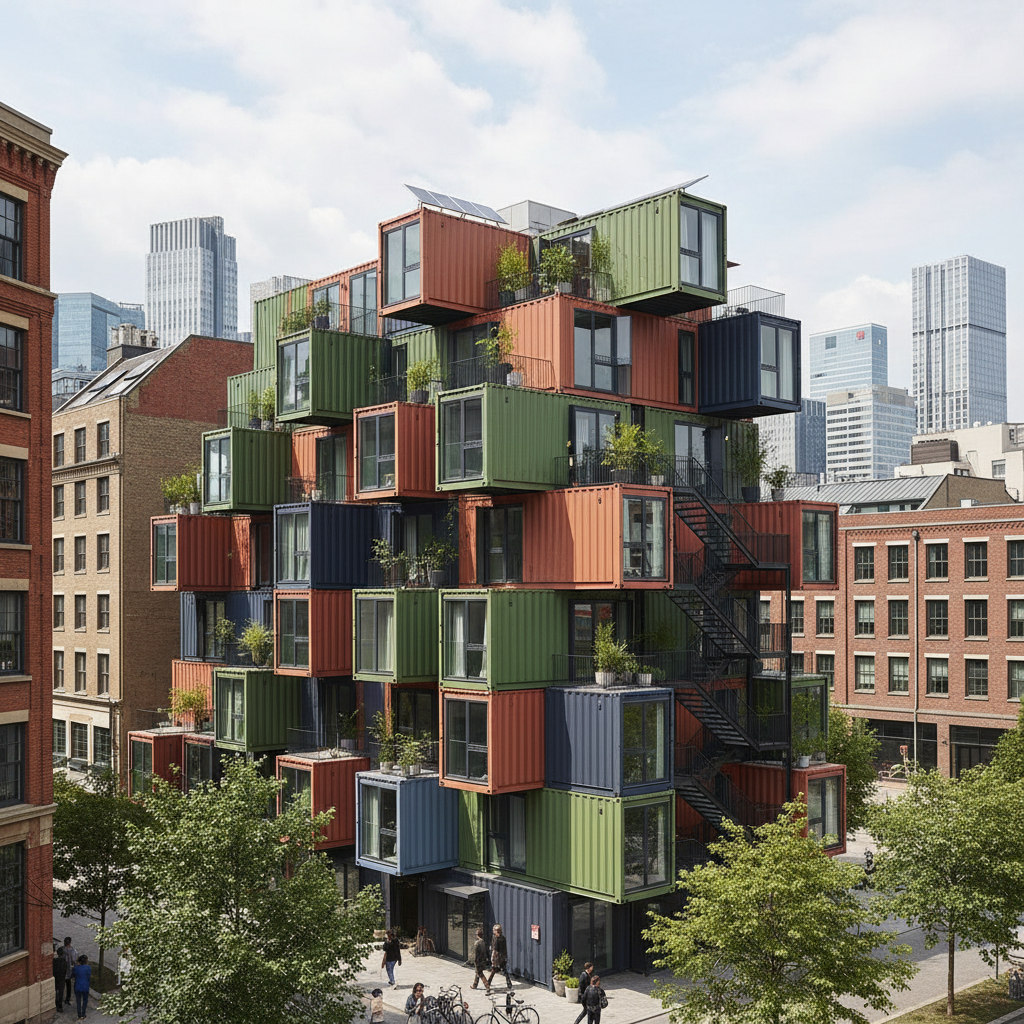
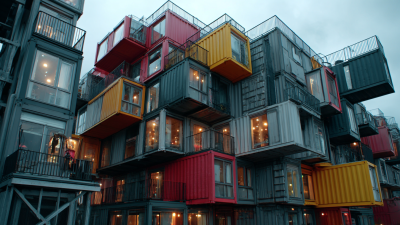
Cargo container housing presents a compelling solution to urban housing shortages, particularly in densely populated areas where traditional construction methods struggle to keep pace with demand. By repurposing shipping containers, cities can quickly create affordable living spaces that are not only cost-effective but also adaptable to various community needs. These structures can be easily stacked, transported, and modified, making them a flexible option for both temporary and permanent housing solutions.
Moreover, cargo container houses can significantly reduce the environmental impact associated with construction. Utilizing existing materials minimizes waste and lowers the carbon footprint compared to conventional building methods. Additionally, these units often come with sustainable features such as solar panels and rainwater harvesting systems, promoting energy efficiency and sustainability. By incorporating cargo container homes into urban planning, cities can address housing shortages while fostering eco-friendly practices, ultimately leading to more resilient communities.