China Top 10 Elastic Nonwoven Fabric Manufacturers
Elastic Nonwoven Fabric is becoming a practical material for hygiene products, medical applications, apparel, and flexible packaging. Its value comes from controlled stretch, soft touch, recovery, and stable production. In diapers, for example, elastic side panels must stretch around a moving waist without losing comfort. Small differences matter. A weak recovery rate can cause leakage or poor fit.
According to Grand View Research, the global nonwoven fabric market was valued at approximately USD 53.53 billion in 2023. The report also forecasts continued growth through 2030, supported by hygiene, healthcare, and industrial demand. Smithers’ The Future of Nonwovens to 2029 highlights similar opportunities in advanced hygiene materials, filtration, and medical nonwovens. These reports describe the wider market, not China’s elastic segment alone. That distinction deserves attention.
China has become an important manufacturing base for elastic nonwoven materials. Its advantages include integrated polymer supply, high-speed converting equipment, export experience, and flexible customization. However, factory scale does not automatically prove product quality. This overview examines ten leading Chinese manufacturers through practical criteria, including raw material control, elastic recovery, tensile performance, softness, lamination capability, testing systems, certifications, and delivery reliability. Samples, technical datasheets, and audit records remain more useful than promotional claims.
No ranking is perfect. Public information can lag behind factory reality. Some manufacturers are strong in diaper components, while others focus on medical or industrial grades. Buyers should verify production capacity, compliance documents, and batch consistency before selecting a supplier. The following list offers a researched starting point, not a final purchasing decision.
Industry Definition and Key Features of Elastic Nonwoven Fabrics
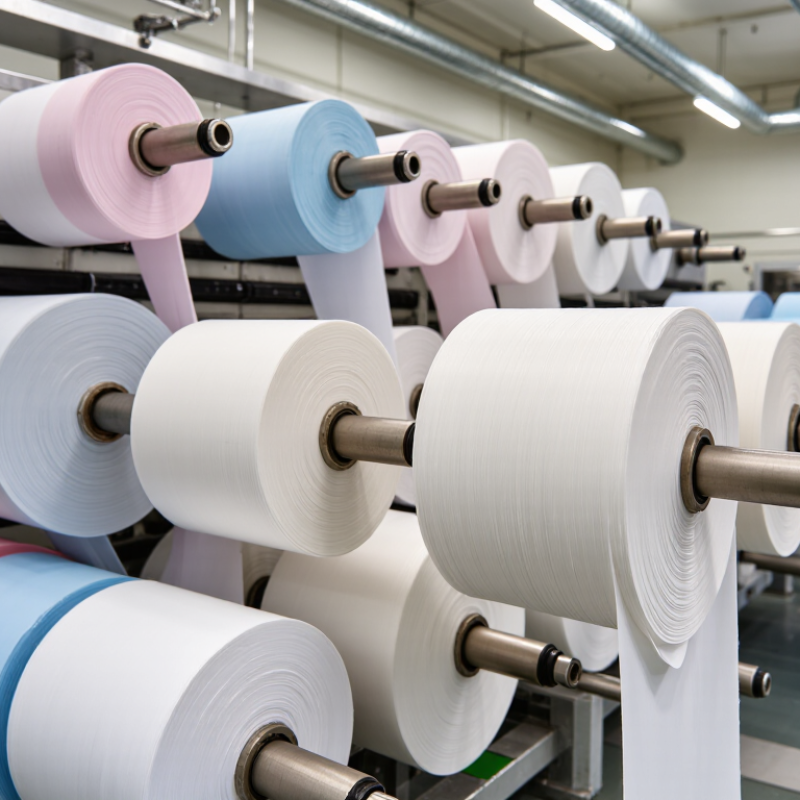
Elastic nonwoven fabric is a fibrous web designed to stretch and recover without traditional weaving. It commonly combines elastomeric polymers with spunbond or meltblown fibers. The result feels soft, lightweight, and flexible. Its main features include controlled elongation, elastic recovery, air permeability, and low seam bulk. These properties support hygiene products, medical garments, protective covers, and flexible packaging components.
In China’s elastic nonwoven manufacturing sector, production quality depends on polymer selection, web formation, bonding temperature, and winding tension. During supplier evaluations, I would request elongation and recovery data at defined temperatures. I would also inspect samples after repeated stretching, not only after one pull. Microscopic uniformity matters. Uneven fibers can create weak zones, especially near cut edges. Reliable manufacturers should provide traceable batch records, test methods, and clear tolerance ranges.
Performance is not always simple. More stretch may reduce dimensional stability. Higher softness can sometimes weaken tear resistance. This trade-off deserves careful testing. A fabric may pass a laboratory test yet behave differently in humid storage or high-speed converting. I have found that touch alone is misleading. Real application trials reveal curling, fatigue, and adhesive compatibility issues. Better decisions come from comparing measured recovery, breathability, basis weight, and aging results under the same conditions.
China Top 10 Elastic Nonwoven Fabric Manufacturers
Industry Definition and Key Features of Elastic Nonwoven Fabrics
Elastic nonwoven fabrics are web-based materials engineered to stretch and recover without traditional weaving or knitting. The chart presents common reference ranges for basis weight by application. Actual specifications vary according to fiber type, elastic component, bonding method, stretch direction, and end-use requirements.
Major Applications and Performance Requirements in China
China Top 10 Elastic Nonwoven Fabric Manufacturers
Elastic nonwoven fabric supports hygiene products, medical garments, sportswear, furniture covers, and automotive interiors in China. Each application demands a different balance of stretch, recovery, softness, and strength. Hygiene products need gentle contact and stable elasticity during movement. Medical garments require clean processing, consistent coverage, and reliable tensile performance. Sportswear often needs repeated stretch without permanent deformation. Automotive materials face heat, friction, and dimensional changes.
Experienced buyers should review both laboratory data and production samples. Important indicators include elongation, recovery rate, basis weight, air permeability, moisture management, and seam compatibility. For skin-contact products, odor control and low irritation matter greatly. For industrial uses, tear resistance and aging stability deserve more attention. Testing should reflect real conditions, including washing, bending, humidity, and temperature changes. A fabric may perform well in a short test but weaken after repeated use. That point is easy to miss.
Tips: Ask manufacturers for recent batch records and independent test reports. Compare samples after stretching them repeatedly by hand. Check edge curling and thickness variation. Confirm whether performance changes between dry and humid conditions. Specifications can look precise, yet some details remain uncertain without practical trials. Select suppliers that explain limitations clearly, not only strengths.
Selection Criteria for Leading Elastic Nonwoven Fabric Manufacturers
China Top 10 Elastic Nonwoven Fabric Manufacturers
Selecting leading elastic nonwoven fabric manufacturers requires more than comparing catalog prices. I examine stretch performance, production controls, and evidence from actual testing. A suitable fabric should recover its shape after repeated extension. Its elongation, tensile strength, thickness, and basis weight must remain within agreed limits. Samples reveal more.
Factory experience becomes visible in small details. I look for calibrated testing equipment, documented inspection steps, and clear batch records. A reliable manufacturer should provide data for machine direction and cross direction performance. It should also explain how temperature, humidity, and storage affect elasticity. Vague answers create avoidable risk.
Production capacity matters, but consistency matters more. I review sample-to-bulk control, raw material traceability, and complaint response procedures. Independent laboratory reports can strengthen confidence when specifications are critical. Certifications may support evaluation, but they should not replace technical verification. Details matter.
I also assess communication during development. Can the engineering team adjust softness, width, or bonding strength without hiding limitations? Can it produce stable rolls with clean edges and minimal variation? A polished factory visit can still miss hidden inconsistencies. Small trial orders are safer than promises. My selection process is not perfect, because real performance may change across seasons and production batches. Reliable judgments need repeated testing, honest records, and practical feedback from end users.
China’s Top 10 Elastic Nonwoven Fabric Manufacturers
China’s Top 10 Elastic Nonwoven Fabric Manufacturers reflect China’s broad production strength and improving material expertise. The phrase “top ten” is not an official national ranking. It usually describes suppliers recognized for stable output, technical service, and export experience.
These manufacturers commonly produce elastic spunbond, laminated nonwovens, and breathable composite materials. Their fabrics may serve waistbands, protective covers, medical packaging, and personal-care products. A reliable factory should provide controlled elongation, strong recovery, consistent basis weight, and clean edge finishing. Production evidence matters more than polished claims. Ask for recent test reports, sample batches, factory audit records, and clear explanations of raw-material sources. I have found that small differences in recovery can change product comfort after repeated use. That detail is easy to underestimate.
Tips:
Compare samples under identical testing conditions. Check stretch percentage, recovery time, tensile strength, odor, and surface softness. Request batch-to-batch data, not only one impressive sample. Confirm production capacity before signing a large order. A factory may have advanced equipment but limited scheduling flexibility. Also review communication speed and complaint procedures. These details reveal practical reliability. Record every result in the purchasing file.
Manufacturing Capabilities, Quality Standards, and Market Positioning
China’s leading elastic nonwoven fabric manufacturers are not defined by scale alone. Their market position depends on repeatable output, verified testing, and responsive engineering. Many operate spunbond, meltblown, or composite lines with elastic fibers, bonding systems, and automated roll inspection. This combination supports waistbands, medical textiles, hygiene components, and flexible packaging. Capabilities vary widely. Some plants excel at narrow-width precision, while others handle high-volume rolls with stable tension control. Buyers should examine actual production records, not polished brochures.
Quality management begins with incoming fiber checks and continues through winding. Skilled teams monitor basis weight, elongation, recovery, tensile strength, air permeability, and seam behavior. Laboratory samples should be tested before mass production. ISO-based systems can improve traceability, but a certificate alone proves little about daily discipline. Reliable suppliers retain batch records, calibration reports, and corrective-action files. They also explain test methods clearly. That openness matters when specifications cross borders or change mid-project.
Market positioning reflects more than low pricing. Manufacturers gain trust through short sampling cycles, stable lead times, export experience, and practical technical support. Some invest in recyclable inputs and lower-energy curing, although claims require evidence. This sector is improving, yet it is not flawless. Color variation, uneven elasticity, and delayed communication still appear in real projects. A careful buyer should request recent samples, audit production controls, and compare performance after washing or stretching. No ranking is permanent; capacity, compliance, and customer service can shift within a year.