How to Choose the Right Container Sizes for Homes?
Choosing the right container sizes for homes is essential for effective organization. Many struggle with this task, as it directly impacts space management. Knowing how to select the proper sizes can make a significant difference in keeping a tidy home.
Container sizes for homes can vary widely. Factors such as available space and the types of items to store play a critical role. A small apartment might benefit from compact containers, while larger homes may accommodate bigger sizes. Think about what will fit and what won’t. It’s easy to choose containers that look attractive without considering their practicality.
Reflecting on personal needs is crucial. Do you have enough room for larger bins? Are you overlooking smaller items that need organizing? Proper evaluation can lead to better choices, creating a more functional living environment. Emphasizing practical container sizes for homes leads to enhanced organization and peace of mind.
Choosing Container Sizes: Understanding the Basics of Storage Needs
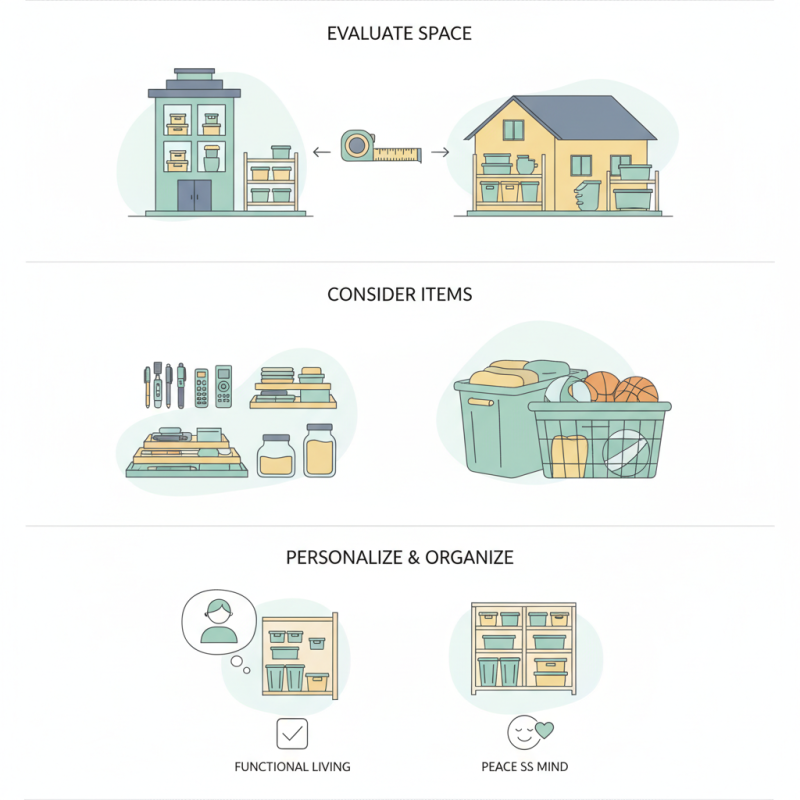
When selecting container sizes for your home, understanding your storage needs is essential. Think about what items you plan to store. Seasonal decorations, clothing, or tools might need different container types. Make a list of these items. Group them by size and frequency of use. This helps in choosing containers that fit perfectly.
Consider the spaces where you will place these containers. Some areas are small, while others are spacious. A container that is too large can overpower a small closet. Conversely, a tiny container may not hold enough. It’s a balancing act between size and accessibility.
Measure your spaces. Jot down dimensions. Often, people underestimate how much space they truly have. It's common to buy containers that are too big or too small. Reflect on the organization systems you’ve tried in the past. Did they work? If not, ask yourself why. Adjust your choices accordingly.
Choosing the Right Container Sizes for Homes
Assessing Household Items: Analyzing Average Volume of Common Possessions
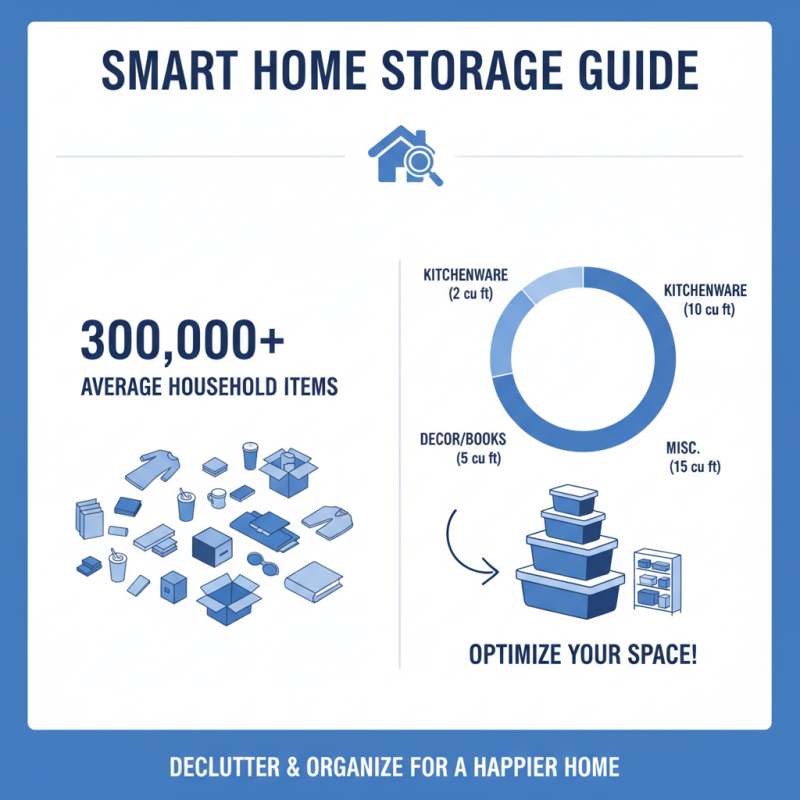
When choosing the right container sizes for your home, it’s essential to analyze the average volume of common possessions. Studies indicate that the typical household contains over 300,000 items, which often leads to organization challenges. For example, kitchenware can occupy significant space. A standard set of dishes might require around 2 cubic feet of storage.
Clothing takes up more room than many realize. An average winter coat can be as large as 1.5 cubic feet. Shoes are another space consumer; a pair can take up 0.5 cubic feet. Often, people underestimate these figures, leading to inadequate container sizes.
In addition, books can also add to the clutter. A single hardcover book averages about 0.4 cubic feet. If you have a collection of 50 books, that quickly sums to 20 cubic feet. This illustrates the necessity for precise assessments. It's vital to reconsider your storage needs regularly. Remember, improper container sizes can lead to inefficiencies and frustrations in your daily life.
Space Calculation: Metrics to Determine Container Dimensions Efficiently
Calculating the right container size for your home starts with understanding your space needs. Many industry reports suggest evaluating available square footage is crucial. For example, a typical room may range from 100 to 250 square feet. You should calculate your storage requirements based on what items you plan to keep.
Consider metrics such as volume and weight. A standard cubic foot holds roughly 7.5 gallons of volume, which can be a helpful measurement when planning. Industry experts recommend dividing your belongings into categories. Heavy items need sturdier containers while lightweight items can use flexibility.
Unused space can lead to disorganization. For instance, 20% of your storage could go unused if the wrong container sizes are chosen. This mistake creates inefficiencies. Actively reflecting on your space and lifestyle can help you make better choices. Keep it practical and adaptable for future needs.
How to Choose the Right Container Sizes for Homes?
| Container Type |
Dimensions (L x W x H in ft) |
Volume (Cubic Feet) |
Ideal Uses |
| Small Container |
5 x 5 x 5 |
125 |
Gardening Supplies, Small Tools |
| Medium Container |
10 x 5 x 5 |
250 |
Bicycles, Furniture, Seasonal Items |
| Large Container |
20 x 8 x 8 |
1280 |
Household Moves, Large Equipment |
| Extra Large Container |
40 x 8 x 8 |
2560 |
Whole House Moves, Large Renovation Supplies |
Material and Durability: Evaluating Container Types for Long-term Use
When choosing containers for home use, material plays a vital role. Containers come in various forms: plastic, metal, glass, and fabric. Each type has unique benefits and drawbacks. For instance, plastic is lightweight and affordable but may not last long under heavy use. Metal containers are durable but can rust, while glass offers elegance but requires careful handling.
Consider your storage needs. For long-term use, select containers that withstand wear and tear. Think about where you'll place them. A bathroom might suit plastic for easy cleaning, while a kitchen could benefit from glass for aesthetics. Reflect on the climate too. Humid areas can damage certain materials over time. Always check for signs of wear, especially with cheaper options.
Not all containers fit every purpose. Misjudgments can lead to wasted space or damaged items. Ensure the lid fits tightly to keep moisture out. A well-chosen container not only organizes but protects. It’s essential to evaluate your choices, as it influences your home’s functionality. It’s a journey of trial and improvement.
Industry Trends: Insights on Popular Container Sizes for Home Use
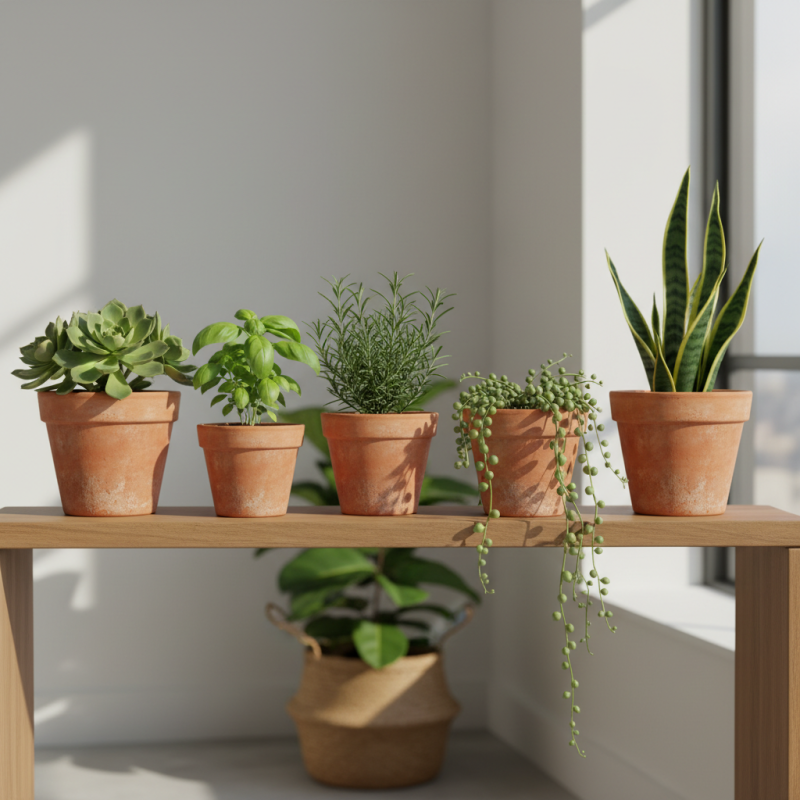
When selecting container sizes for homes, trends show a growing preference for versatile options. Smaller containers are gaining popularity as they fit easily into compact spaces. Many homeowners opt for sizes around 12 to 20 gallons for indoor plants. These sizes are manageable and provide adequate room for growth. However, suitable drainage remains a crucial consideration.
For outdoor spaces, larger containers, like 30 to 50 gallons, are in demand. They can support larger plants or even small trees. Yet, some homeowners overlook the weight of soil and water when fully loaded. This oversight can lead to structural issues on balconies or decks. Likewise, picking the right material for outdoor containers is essential. Weather-resistant options are preferred, yet they might come with higher costs.
Not all container designs promote healthy plant growth. Many choose based on aesthetics rather than functionality. Researching plant types and their root requirements can prevent issues later on. Sometimes, the most beautiful containers may not support sustainable growth. Finding the right balance between beauty and practicality is vital for long-term success.