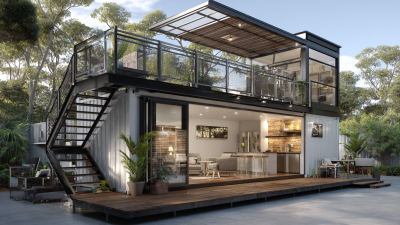


Containers in Motion

10 Essential Tips for Building Your Shipping Container Bungalow

The trend of building a shipping container bungalow is gaining momentum in the housing industry. According to a 2021 report by Market Research Future, the global modular construction market is expected to grow significantly, reaching $157 billion by 2025. This could be attributed to the increasing demand for cost-effective housing solutions.

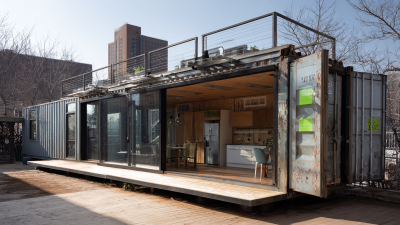
Shipping container bungalows provide an innovative alternative to traditional homes. They are often more affordable and eco-friendly. However, constructing these unique dwellings comes with challenges. Many overlook proper insulation or ventilation, leading to discomfort. These factors can impact long-term satisfaction with the living space.

Creativity plays a crucial role in design, yet practicalities must not be ignored. Balancing aesthetics with functionality is essential. Research shows that poorly designed spaces can affect mental health and well-being. Therefore, it is vital to thoughtfully plan your shipping container bungalow to ensure it becomes a cozy and sustainable home.
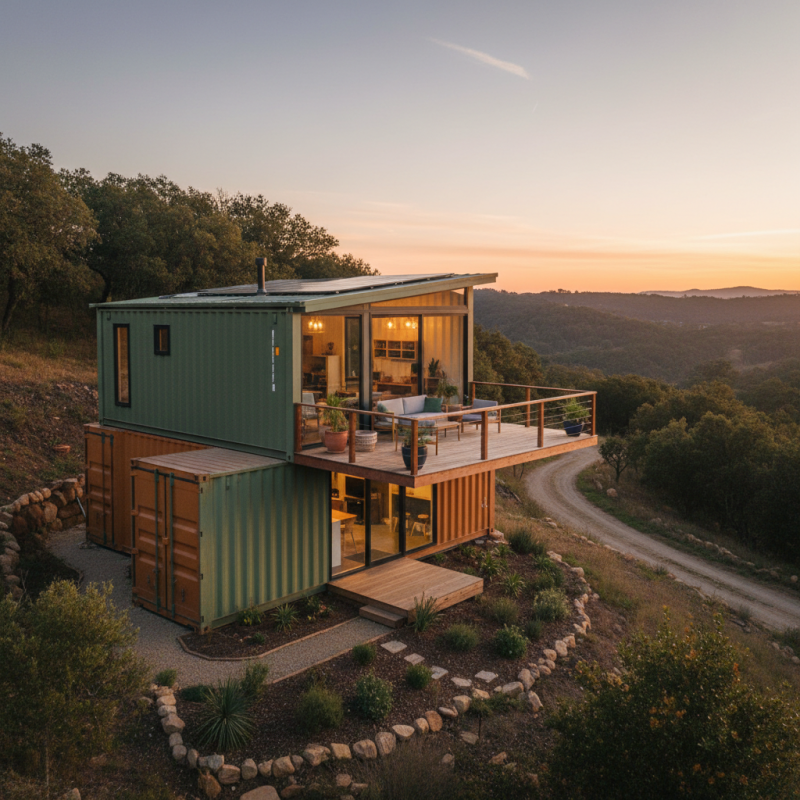
10 Essential Tips for Building Your Shipping Container Bungalow

Choosing the Right Shipping Container for Your Bungalow Project

When embarking on a bungalow project using shipping containers, choosing the right container is crucial. Containers come in various sizes, typically 20 feet or 40 feet. A 40-foot container provides more space, but may be less maneuverable. According to a 2022 industry report, around 30% of container homes use 20-foot units due to their cost-effectiveness and sufficient space for smaller designs.

Assess the condition of the container before purchase. Containers that are “one-trip” are generally in better shape. These units are transported once and then sold. A study by the Container Shipping Association indicates that 50% of buyers face issues with water leakage and rust in older containers. It’s vital to inspect for structural integrity. Even a small dent can lead to significant problems down the line.

Thinking creatively is important when selecting a container. Standard containers can be modified, but consider local climate. In colder areas, insulation is critical. Reports show that poorly insulated bungalows can result in a 20% increase in heating costs. Understand the limitations of your chosen container. Flexibility is key, as the ideal choice may not always fit your initial vision. Every decision should be thoroughly evaluated, considering long-term implications for your project.

10 Essential Tips for Building Your Shipping Container Bungalow

Tip No. Tip Title Description
1 Choose the Right Size Consider the space you need and how many containers you will use.
2 Assess Condition Inspect for structural integrity and rust damage.
3 Check Local Regulations Ensure compliance with zoning laws and permits.
4 Consider Insulation Plan for proper insulation to manage temperature effectively.
5 Plan Layout Design a functional layout that suits your living needs.
6 Position for Sunlight Position containers to maximize natural light and views.
7 Choose Quality Materials Use durable and weather-resistant materials for construction.
8 Think About Plumbing Ensure proper planning for plumbing and electrical systems.
9 Incorporate Outdoor Space Design outdoor areas for relaxation and entertainment.
10 Budget Wisely Create a budget that accounts for all aspects of your project.

Understanding Local Building Codes and Regulations for Containers

10 Essential Tips for Building Your Shipping Container Bungalow

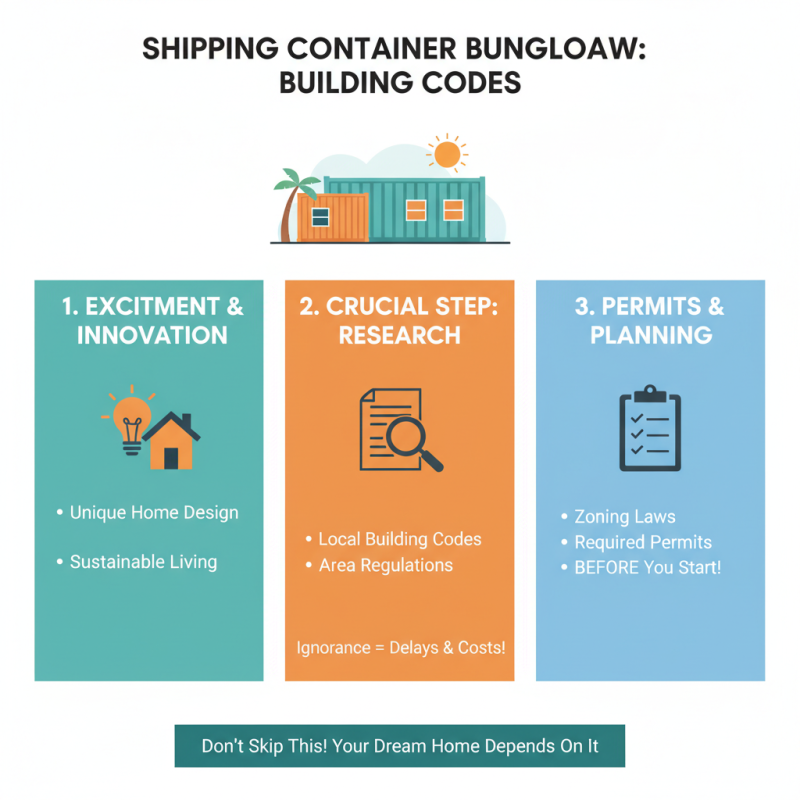
Building a shipping container bungalow can be exciting. However, understanding local building codes is crucial. Each area has its own regulations that govern the use of shipping containers. Ignoring these rules can lead to delays and extra costs. You need to check zoning laws and permits before starting your project.

Some local authorities may have restrictions on container heights, placements, or overall design. It's essential to verify what is allowed. Meeting fire safety and structural integrity standards is also important. You might find that you need specialized materials to meet local guidelines. This can be frustrating, especially if you had a specific design in mind.

Navigating these regulations can feel overwhelming. You may find that what works in one area won't work in another. Reassessing your plans may be necessary after initial research. Consulting with local experts can provide clarity. Sharing ideas with others in your community can also help. This will ensure your container bungalow not only looks good but also complies with all necessary codes.

Designing the Layout and Floor Plan of Your Shipping Container Bungalow

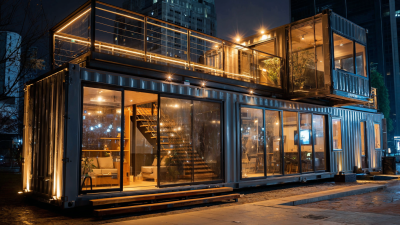
Designing the layout and floor plan of your shipping container bungalow is an exciting challenge. You'll want to consider both function and aesthetics. Start by assessing the space you have. Each container is limited in size. Plan wisely to maximize every inch.

Tip: Open floor plans create a more spacious feel. Large windows can enhance natural light. They also connect the indoor space to the outdoors. Imagine adding a deck or a small garden area. This improves the overall ambiance.

Think about the arrangement of rooms. Will you have a bedroom, kitchen, and living area? Sketch basic layouts to explore options. However, not everything will fit perfectly on the first try. You might discover you need to shift rooms around. Experimenting can lead to unexpected improvements.

Tip: Consider multi-functional furniture. This helps in tight areas. A sofa bed can serve as a couch by day and a bed by night. Additionally, don't forget storage solutions. They often end up being overlooked in small spaces. Balancing practicality with personal style is key. The process may reveal new ideas along the way.

Insulating Your Shipping Container for Energy Efficiency and Comfort

Insulating your shipping container bungalow is vital for comfort and energy efficiency. Without proper insulation, your space can become too hot or cold, leading to higher energy costs. Start by choosing the right insulation material that suits your climate. Foam board or spray foam are popular options. They can create a thermal barrier, keeping your living space cozy year-round.

Consider the layout of your container. Insulation can be applied to walls, ceilings, and even floors. Each area plays a role in maintaining a stable temperature. One tip is to add reflective insulation in addition to traditional materials. This helps reduce heat transfer from outside elements. Don’t forget to seal any gaps or openings; even small cracks can lead to energy loss.

Remember, insulation should also manage moisture. In humid areas, mold can be a concern. Use materials that are resistant to water damage. Ventilation is key as well. You might need windows and vents to ensure airflow. A well-ventilated space feels more inviting and helps preserve insulation integrity. It’s essential to balance efficiency with comfort, making adjustments as needed.

Selecting Sustainable Materials and Finishes for Your Bungalow Interior

10 Essential Tips for Building Your Shipping Container Bungalow

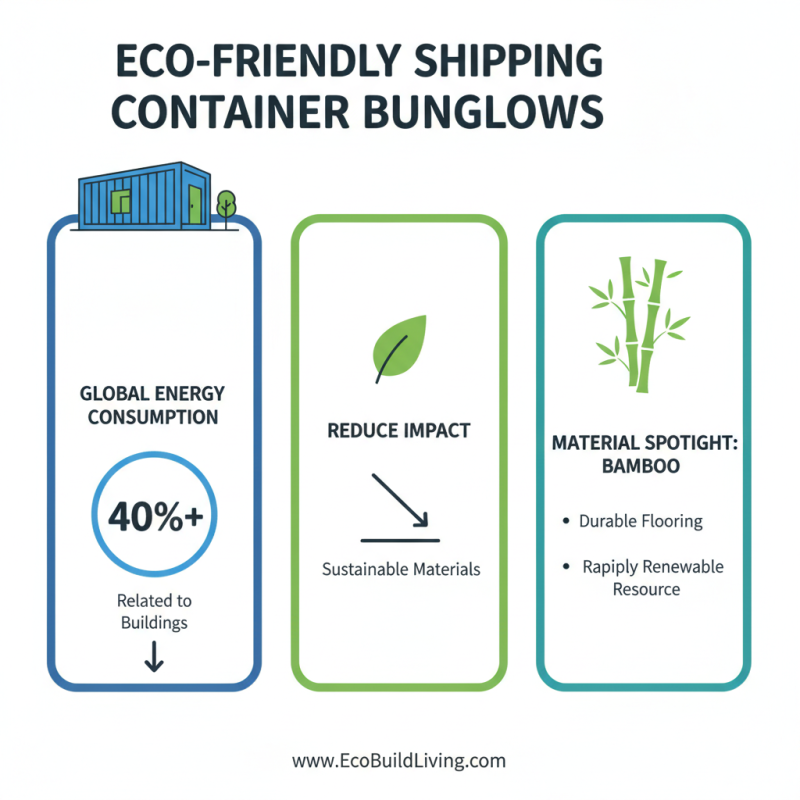
When designing a shipping container bungalow, selecting sustainable materials is crucial. Studies show that over 40% of global energy consumption is related to buildings. Using eco-friendly finishes can significantly reduce this impact. For instance, bamboo flooring is a durable alternative. It grows quickly, making it a renewable resource.

Many homeowners overlook insulation quality. Proper insulation can save energy costs by up to 30%. Consider materials like hemp or recycled denim for a greener option. These materials not only insulate well but also add uniqueness to your interior. Choosing low-VOC paints is essential for healthier indoor air. Conventional paints emit harmful chemicals.

Fittings and fixtures often get skipped. Opt for reclaimed wood or metal for shelves and countertops. This choice adds character while remaining sustainable. Reflecting on aesthetic choices can reveal mismatched themes. Prioritizing both function and design ensures a cohesive look. Ultimately, the journey to a sustainable bungalow requires thoughtful decisions that might seem daunting. Each choice builds towards a healthier home and a better planet.