Top Reasons to Choose Used Container Homes for Affordable Living in 2025
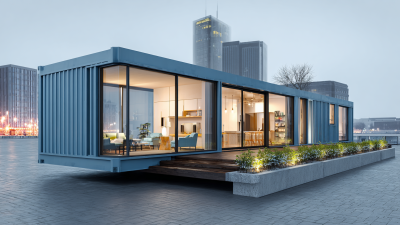
In the quest for affordable living solutions, the concept of used container homes is gaining momentum as a viable and innovative option. As we move into 2025, many individuals and families are exploring ways to reduce housing costs while still enjoying the comforts of a modern living space. Used container homes offer a unique blend of sustainability, affordability, and versatility, making them an appealing choice for those looking to downsize or embrace a minimalist lifestyle.
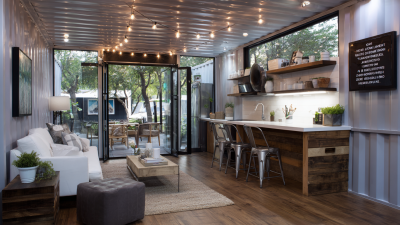
These repurposed shipping containers can be transformed into stylish and functional homes, utilizing their robust structure to create durable living environments. With rising housing prices and growing concerns about sustainability, opting for used container homes not only addresses financial concerns but also promotes eco-friendly practices by repurposing materials that would otherwise go to waste. The options for customization and design are endless, allowing homeowners to create a space that reflects their personal style while staying within budget.
As we delve into the top reasons to choose used container homes for affordable living in 2025, it becomes clear that this trend is not merely a passing phase but a sustainable solution that caters to the evolving needs of modern society. Embracing this innovative housing alternative can pave the way for a brighter, more affordable future for many.
Benefits of Using Used Container Homes for Budget-Friendly Living
Used container homes are gaining popularity as a viable solution for
budget-friendly living, particularly as we approach
2025. One of the primary benefits is their cost-effectiveness.
According to the Container Housing Association, the average price of a new container home can range from
$45,000 to $100,000. In contrast, used containers can often be acquired for
as little as $3,000 to $7,000, making them an attractive option for those looking to minimize
their housing expenses. This drastic cost difference can significantly lower the financial burden on individuals
and families, making homeownership more accessible in an era where housing prices continue to rise.
In addition to affordability, used container homes offer sustainable living options.
Reports from the World Economic Forum suggest that estimated construction waste from the building industry can exceed
1.3 billion tons annually. By repurposing shipping containers, not only do we reduce waste,
but we also lower the energy consumption typically associated with traditional housing materials. Studies indicate that using
shipping containers can reduce carbon emissions by up to
60% compared to conventional buildings, contributing positively to
environmental sustainability. This combination of affordability and sustainability
positions used container homes as a forward-thinking alternative for those seeking to live economically without compromising
on environmental values.
Sustainability and Environmental Impact of Reusing Shipping Containers
The concept of repurposing shipping containers into homes is a shining example of sustainability in action. By transforming these often-discarded metal boxes into livable spaces, we significantly reduce waste and lessen the environmental burden associated with traditional construction materials. Each container that is reused helps divert it from landfills, thus minimizing the demand for new materials and the carbon footprint linked to manufacturing and transportation. In a world increasingly focused on reducing its ecological impact, the adoption of container homes represents a step towards a more sustainable future.
Moreover, the environmental benefits extend beyond mere waste reduction. Container homes are typically designed to be energy-efficient, featuring proper insulation that reduces heating and cooling needs. Many of these homes also incorporate renewable energy solutions, such as solar panels, which lessen reliance on non-renewable resources and decrease utility costs for occupants. The modular nature of these homes allows for creative and efficient designs, ensuring that they can blend seamlessly into various environments while leaving a minimal ecological footprint. As society continues on the path toward eco-conscious living, used container homes emerge as a practical and impactful option for affordable living in 2025 and beyond.
Top Reasons to Choose Used Container Homes for Affordable Living in 2025
The chart above illustrates the key benefits of choosing used container homes for affordable living in 2025. The data reflects the importance of cost savings, sustainability, space efficiency, durability, and minimal maintenance as decision-making factors for potential homeowners.
Design Flexibility and Customization Options for Container Homes
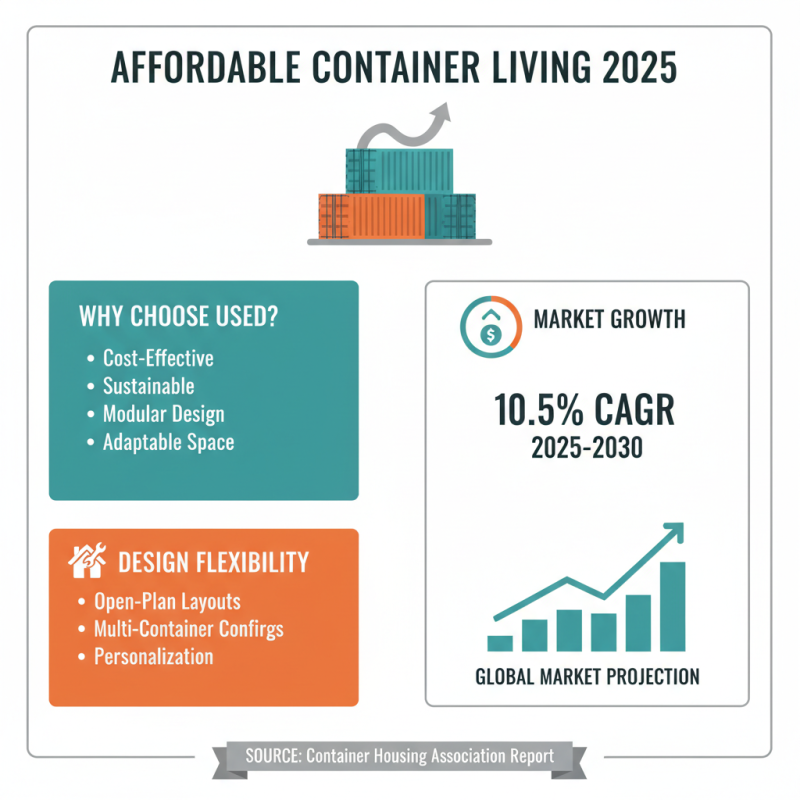
Choosing used container homes as a solution for affordable living in 2025 offers unprecedented design flexibility and customization options that cater to a variety of lifestyle needs. According to a recent report by the Container Housing Association, the global market for container homes is projected to grow at a CAGR of 10.5% over the next five years, driven by the demand for sustainable and cost-effective living solutions. One of the most attractive features of used container homes is their inherent modularity, allowing homeowners to adapt the space to fit individual preferences, whether through open-plan layouts or multi-container configurations.
Moreover, the customization potential extends to interior design, where buyers can choose finishes, layouts, and energy systems that reduce both environmental impact and utility costs. Reports indicate that well-designed container homes can be outfitted with energy-efficient appliances and renewable energy sources, translating into savings of up to 30% on energy bills compared to traditional homes. Additionally, the ability to repurpose and insulate used containers reduces construction waste and resource consumption, aligning with sustainability goals.
Tips: When considering a container home, explore third-party local architects or designers who specialize in modular structures. They can provide insights into maximizing space and enhancing aesthetics without compromising on sustainability. Also, don’t overlook the importance of good insulation—this not only improves comfort but also optimizes energy efficiency. Finally, take the time to investigate local regulations regarding container homes, as understanding zoning laws can prevent future complications.
Comparative Cost Analysis: Used Container Homes vs. Traditional Housing
When considering affordable living options, a comparative cost analysis reveals that used container homes can significantly undercut traditional housing prices. On average, a used shipping container can be acquired for a fraction of the price of a conventional home. While the national average for a new home can exceed $300,000, a repurposed container can be purchased for as low as $5,000 to $15,000. This stark difference highlights the potential for cost savings, particularly for first-time homebuyers and individuals looking to downsize.
In addition to the initial purchase price, ongoing costs should also be considered. Used container homes often require less maintenance and utility expenses compared to traditional residences. With their efficient design and materials, container homes can provide better energy efficiency, leading to lower heating and cooling bills. Furthermore, the potential for creative upcycling and self-design presents opportunities to minimize renovation costs, making container living not just affordable but also sustainable. Thus, the financial benefits of choosing used container homes over traditional housing are clear, positioning them as a viable solution for cost-conscious individuals in 2025.
Community and Lifestyle Trends with Container Home Living in 2025
The rising popularity of container homes in 2025 reflects a significant shift in community and lifestyle trends, particularly among millennials and younger generations seeking affordable and sustainable living options. Recent industry reports indicate that container home construction has increased by over 50% in the past three years, driven by the need for cost-effective housing solutions. These homes not only provide an economical alternative—averaging 30-60% less than traditional housing—but also promote a minimalist lifestyle that resonates with environmentally conscious individuals.
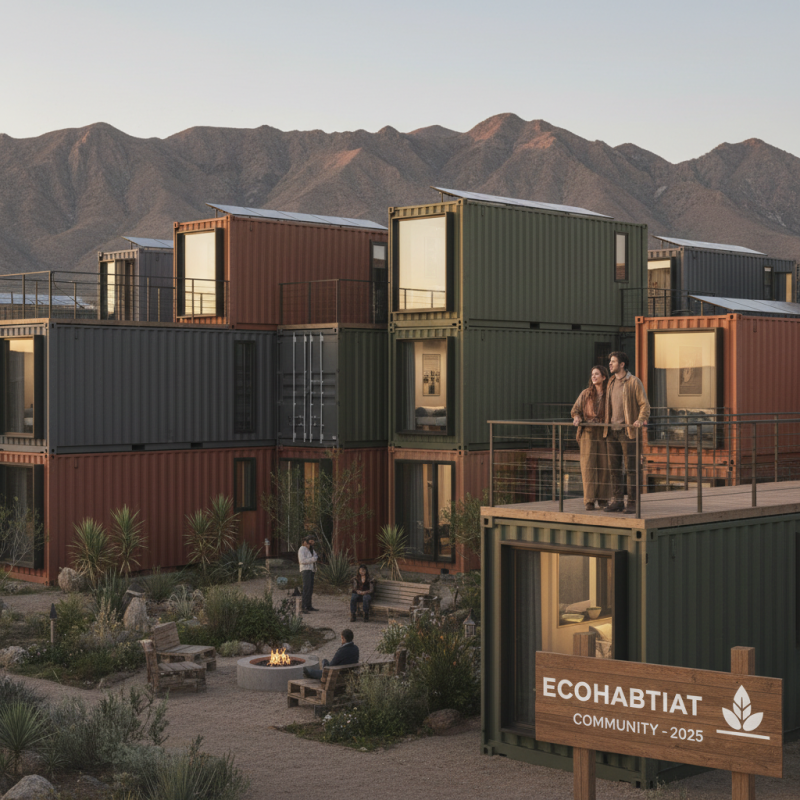
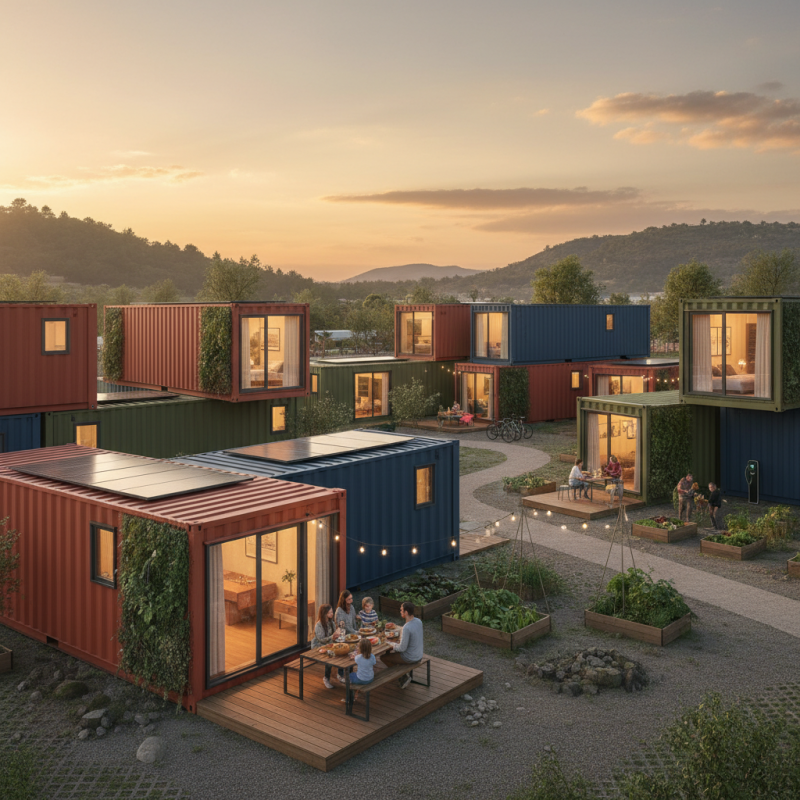
Communities centered around container homes are emerging as vibrant hubs of creativity and collaboration. With a focus on sustainable living, these neighborhoods encourage eco-friendly practices, such as communal gardens and shared resources, fostering a sense of belonging among residents. According to a study by the Sustainable Housing Institute, over 70% of container home dwellers reported increased satisfaction due to the community-oriented lifestyle associated with these developments. As remote work becomes the norm, many are drawn to container home living for its affordability and flexibility, making it possible to live in desirable locations without the financial burden typically associated with conventional housing.