
Containers in Motion

China Top Converted Container Homes for Sale?

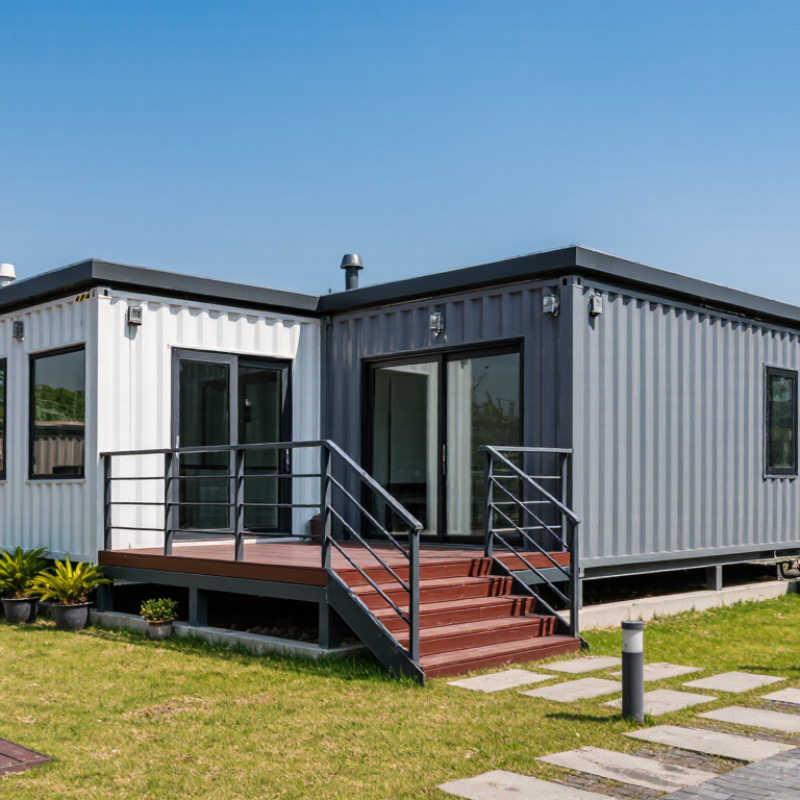
China’s converted container homes are attracting buyers seeking compact housing, guest suites, offices, and holiday cabins. The appeal is clear: a refurbished steel box can leave a Chinese factory with insulated walls, wiring, plumbing, windows, and interior finishes already installed.

But “top” is not absolute.

The strongest suppliers usually combine engineering experience with transparent production records. They explain steel thickness, insulation performance, floor loading, fire-resistant materials, ventilation, and moisture control. A reliable factory should also provide drawings, inspection photos, packing details, and a realistic delivery schedule. Small details matter. A poorly sealed window can invite rainwater. Thin insulation can turn a bright summer room into an oven.

Architect Adam Kalkin, widely recognized for container architecture, has described the shipping container as “an incredibly strong, durable, and inexpensive building block.” His observation remains useful, but it needs context. The container is only the starting structure. Skilled conversion determines whether the final home feels safe, comfortable, and durable.

This guide examines China’s leading converted container homes for sale, focusing on construction quality, customization, pricing, transport support, and after-sales service. It also considers what sellers sometimes overlook, including local foundation requirements and climate differences. A low factory price may look attractive. It may exclude insulation upgrades, electrical certification, installation, or replacement parts.

Buyers should ask difficult questions. That is wise.

The best choice is not always the cheapest model. It is the supplier that documents its work, admits limitations, and delivers a home suited to its actual location.
China Top Converted Container Homes for Sale?

What Are Converted Container Homes in China?

Converted container homes in China are reused steel shipping boxes transformed into living spaces. Workers remove damaged flooring, cut openings, reinforce walls, and install insulation, wiring, plumbing, windows, and interior panels. A typical unit may retain a 20-foot or 40-foot container frame, following standard dimensions under ISO 668. The steel shell looks strong, but strength alone does not guarantee comfort.

China offers a large manufacturing base for modular housing components. The National Bureau of Statistics reported an urbanization rate of 66.16% in 2023, increasing demand for flexible accommodation, offices, and temporary housing. UNCTAD also reports that over 80% of global merchandise trade moves by sea, creating a substantial supply of used containers.

However, not every container is suitable for conversion. Rust, chemical residues, floor treatment, and previous cargo history require careful inspection.

A reliable conversion should include thermal-bridge control, ventilation, fire-resistant materials, and tested electrical systems. In humid southern regions, poor insulation can produce condensation behind wall panels. In colder northern areas, thin walls lose heat quickly.

I have seen attractive layouts fail because roof drainage was overlooked. That mistake is expensive.

Buyers should request material specifications, structural drawings, factory inspection records, and local installation guidance. Market reports often describe container housing as affordable, but transport, foundations, utilities, and compliance work can change the final cost considerably. Affordable is not automatic.

How Are Chinese Container Homes Designed and Built?

Chinese container homes are designed around ISO 668 dimensions, not guesswork. A standard 20-foot container measures about 6.06 by 2.44 meters externally. A 40-foot unit measures about 12.19 meters long. Designers survey the steel shell first, then plan openings, insulation, wiring, plumbing, and furniture around its narrow width.

Factory construction usually begins with rust removal, structural reinforcement, and carefully cut window openings. Engineers add steel frames where walls or roofs are modified. Mineral wool or closed-cell insulation can improve thermal performance, especially in northern China. Airtight membranes and raised floors help control condensation. This detail matters because the UNEP 2024 Global Status Report states that buildings and construction used 32% of global energy in 2023. Efficient lighting, heat pumps, shading, and cross-ventilation can reduce operating demand, but insulation alone is not enough. A container is not automatically a green home.

Tips: Check the steel grade, weld inspection records, insulation thickness, drainage design, and electrical certificates. Ask for drawings before paying. Confirm local planning, fire, and foundation requirements with a qualified professional. One weakness deserves honest attention: recycled containers may carry hidden corrosion, uneven floors, or previous chemical exposure. Factory speed can also encourage rushed inspections. Independent testing remains valuable, even when the home looks perfectly finished.

Which Types of Converted Container Homes Are Available?

China Top Converted Container Homes for Sale?

Which Types of Converted Container Homes Are Available?

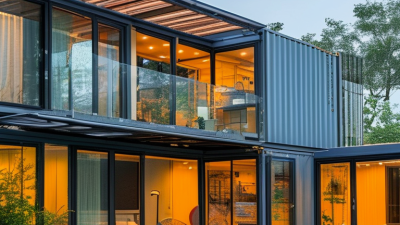
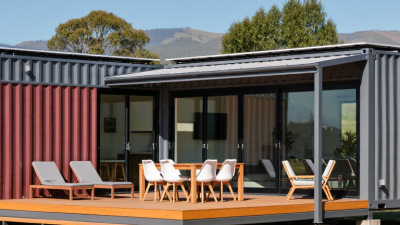
Converted container homes in China usually fall into five practical types. Single-unit studios suit offices, guest rooms, and compact living. Two or more connected units create wider family spaces. Stacked designs add bedrooms above living areas, but require engineered foundations and verified load paths. Expandable units use hinged walls or slide-out sections. Hybrid homes combine steel containers with framed kitchens, bathrooms, or glazed living rooms. Space is the trade-off.

Market data suggests growing interest in off-site housing. Grand View Research valued the global modular construction market at approximately USD 91.36 billion in 2022. It projects about USD 142.94 billion by 2030. This figure includes modular buildings generally, not container homes alone. UN-Habitat reported that roughly 1.6 billion people live in inadequate housing worldwide. These figures explain demand, but they do not guarantee every conversion is suitable.

When comparing a sale unit, inspect the insulation thickness, thermal bridges, ventilation, and drainage layout. A steel shell can become extremely hot under direct summer sun. Coastal buyers should request corrosion protection details. Check the floor loading, weld quality, window installation, and electrical test records. Measure twice. Some catalog descriptions simplify these risks too much. That is an important weakness in the market. A reliable supplier should provide drawings, material specifications, factory inspection evidence, and installation guidance. The cheapest model may need expensive upgrades after delivery.

What Should Buyers Check Before Purchasing?

China Top Converted Container Homes for Sale?

What Should Buyers Check Before Purchasing?

A low price can hide repair costs, weak insulation, or incomplete transport arrangements. Before ordering, request dated photographs of the exact unit, not only showroom images. Check the container’s age, steel condition, welds, floor frame, and evidence of corrosion. Fresh paint can conceal rust. Ask for close-ups of corners and roof seams. A third-party inspection is worth considering when the seller’s report feels vague.

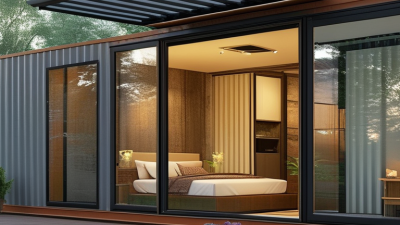
Inside, inspect wall thickness, insulation material, vapor control, windows, doors, and ventilation. A beautiful interior may still overheat in summer or collect condensation in winter. Ask for electrical diagrams, plumbing layouts, load calculations, and test records. Confirm which components are included, such as lighting, sanitary fittings, appliances, stairs, and furniture. Do not assume “ready to live in” means ready for your site. Local planning, foundation, fire, energy, and utility requirements may change the design. Have a qualified local professional review them.

Shipping deserves careful checking. Get the packed dimensions, gross weight, lifting points, route, insurance, and unloading method in writing. A narrow road or weak crane can create expensive delays. Request a detailed contract with materials, tolerances, delivery dates, warranty duties, and remedies for defects. Payment stages should match visible production milestones. Keep every drawing and message. One overlooked detail can matter: a bathroom drain may not align with the foundation connection. That mistake is small on paper. It can become costly on site.

How Can Buyers Compare Prices, Quality, and Suppliers?

Comparing converted container homes from China requires more than checking the lowest online price. Ask for a detailed quotation covering the container shell, insulation, flooring, windows, plumbing, wiring, fixtures, packing, and delivery. A price that excludes transport or installation may look attractive, then become expensive later. Request drawings with dimensions and material specifications.

Quality appears in small, measurable details. Check steel condition, wall thickness, insulation type, roof drainage, window seals, and electrical protection. Ask for production photos, inspection records, and clear testing procedures. A reliable supplier should explain how moisture, corrosion, and temperature changes are managed. Written warranty terms matter. So do replacement policies.

Compare at least three suppliers using the same specification sheet. Evaluate factory experience, communication speed, customization limits, and after-sales support. Ask for references from completed projects, but review them carefully. Photos can hide unfinished corners. An independent inspection before shipment may be worthwhile, especially for plumbing and concealed wiring. Local building requirements should guide the design, not be checked afterward.

The cheapest option is not always poor. The most polished brochure is not proof of quality. Buyers should keep a risk allowance for foundation work, utility connections, and unexpected transport delays. I would also question unusually fast promises. They may be realistic, but they deserve evidence. A careful comparison can feel slow, yet rushed decisions are harder to repair.

China Top Converted Container Homes for Sale? - How Can Buyers Compare Prices, Quality, and Suppliers?
Product Configuration Typical External Size Approximate Floor Area Typical Application Indicative Export Price Range Typical Insulation Specification Standard Interior Package Quality and Compliance Checks Supplier Comparison Focus
20 ft Converted Container Shell 6.06 m × 2.44 m × 2.59 m Approximately 13.8 m² internal floor area Office, guard room, kiosk, compact studio, or site accommodation USD 3,500–8,000
FOB China; shell or partially fitted unit
Commonly 50–75 mm rock wool, glass wool, or EPS/PIR sandwich panels Basic wall and ceiling finish, floor covering, doors, windows, and optional electrical rough-in Confirm container condition, structural frame welding, roof waterproofing, floor load, corrosion treatment, and panel fire-performance documentation Compare the included scope carefully; a low shell price may exclude insulation, wiring, plumbing, windows, flooring, and lifting accessories
20 ft Finished Studio Home 6.06 m × 2.44 m × 2.59 m Approximately 13.8 m² internal floor area Guest room, temporary accommodation, rental unit, or backyard studio USD 8,000–18,000
FOB China; finished interior package
Typically 50–100 mm insulated wall panels; specification varies by climate zone Bedroom or living area, compact bathroom, kitchenette option, lighting, sockets, vinyl or laminate flooring, and sanitary fixtures Request wiring diagrams, breaker specifications, plumbing pressure tests, water-leak tests, door and window performance details, and material samples Compare appliance brands only after confirming voltage, frequency, plug type, warranty terms, and replacement-part availability in the destination country
40 ft Converted Container Home 12.19 m × 2.44 m × 2.59 m Approximately 28–29 m² internal floor area One-bedroom home, larger studio, office, classroom, or worker accommodation USD 12,000–28,000
FOB China; level of finish is the main variable
Usually 50–100 mm insulated panels, with thicker insulation available for cold or hot climates Open-plan living space, bathroom, kitchenette, bedroom partition, electrical system, plumbing, windows, and interior finishes Check reinforcement around cut-outs, floor deflection, roof drainage, thermal bridging, condensation control, and transport lifting points Compare the number and size of openings, reinforcement method, bathroom waterproofing layers, and included furniture rather than comparing headline price alone
40 ft High-Cube Finished Home 12.19 m × 2.44 m × 2.90 m Approximately 28–29 m² internal floor area with additional ceiling height Premium studio, one-bedroom dwelling, hospitality unit, or modular accommodation project USD 16,000–35,000
FOB China; upgraded finishes and systems
Often 75–100 mm insulation; higher-performance PIR or rock wool options may be specified Higher ceiling, larger glazing options, bathroom, kitchen, lighting, HVAC provision, upgraded flooring, and built-in storage Verify high-cube container dimensions, center-of-gravity information, structural calculations, fire-rating documents, and HVAC electrical load Compare usable internal height after ceiling finishes, energy performance, window specifications, and the supplier’s ability to provide engineered drawings
Two-Unit Combined Modular Home Usually 12.19 m × 4.88 m or a custom combined layout Approximately 55–60 m² before local finishing adjustments Family home, staff residence, holiday rental, classroom block, or small commercial facility USD 30,000–70,000+
FOB China; excludes many site and installation costs
Insulation thickness and thermal-bridge treatment should be designed for the destination climate Multiple rooms, one or more bathrooms, kitchen, living area, electrical distribution, plumbing, doors, windows, and optional furniture Require structural calculations for joined units, connection details, fire separation, waterproofing at the joint, wind and snow-load design, and installation procedures Compare engineering support, site-installation guidance, spare-part service, packaging, loading plans, and responsibility for commissioning
Supplier Evaluation: Factory-Direct Manufacturer Depends on the selected unit Depends on the selected unit Large orders, repeat projects, customized layouts, and specification-sensitive developments Often lower unit pricing at volume, but customization and tooling may add cost Usually easier to specify a fixed insulation system and obtain production samples Can offer drawings, material schedules, factory inspection, packing lists, and production-stage photographs Check business registration, production capacity, quality-control procedures, welding records, test reports, and export experience Best compared by total landed cost, documented specifications, production capacity, payment protection, warranty, and after-sales response time
Supplier Evaluation: Trading or Sourcing Company Depends on the selected unit Depends on the selected unit Small orders, mixed products, design assistance, or buyers needing broader sourcing support May include a sourcing or project-management margin Must be verified against the actual factory’s material specification and sample May coordinate furniture, appliances, shipping, and installation through multiple subcontractors Confirm the legal contracting party, factory address, inspection responsibility, warranty issuer, and procedure for resolving defects Compare transparency and accountability; ensure the quotation identifies the actual manufacturer and does not use generic product photographs only
Price and purchasing note: The ranges above are indicative market ranges for converted container homes supplied from China and are not firm quotations. They generally exclude ocean freight, insurance, import duties, customs clearance, destination transport, foundation work, utilities, permits, local-code upgrades, crane costs, and on-site installation. Buyers should request the same written specification, bill of materials, drawings, testing documents, warranty terms, and Incoterm from every supplier before comparing offers.